In today’s fast-paced world, kids play centres have emerged as vital spaces for children to engage in play, learn, and develop essential social skills. These centres provide a safe and stimulating environment where children can explore their creativity, interact with peers, and participate in physical activities that are crucial for their overall development. The importance of play cannot be overstated; it is through play that children learn to navigate their emotions, build relationships, and develop problem-solving skills. Moreover, kids play centres serve as a community hub where families can come together, fostering a sense of belonging and support. Parents often find these centres invaluable not only for the entertainment they provide but also for the developmental benefits their children gain from unstructured playtime.
As children climb, slide, and engage in imaginative games, they are not just having fun; they are also enhancing their motor skills, coordination, and social interactions. As we delve deeper into the topic of kids play centres, it is essential to consider various aspects such as safety regulations, supervision, and the often-debated question of time limits on play. Understanding these factors can help parents make informed decisions about how long their children should spend in these enriching environments while ensuring they reap the maximum benefits from their play experiences.
Understanding Kids Play Centres
A kids play centre is a dedicated space designed for children to engage in play and physical activities in a safe and stimulating environment. These centres are often equipped with a variety of play structures, games, and activities that cater to different age groups, ensuring that children can explore, learn, and have fun.Features of Kids Play Centres
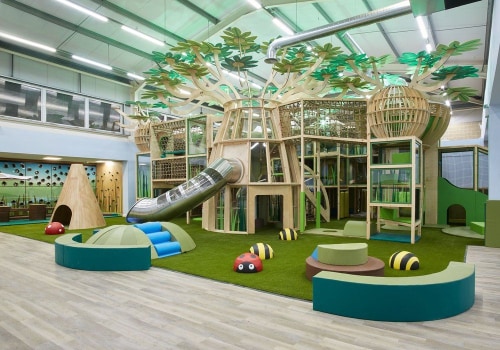
- Play Structures: Most kids play centres feature climbing frames, slides, ball pits, and obstacle courses that encourage physical activity and coordination.
- Soft Play Areas: Many centres include soft play zones where younger children can safely explore without the risk of injury.
- Themed Zones: Some play centres have themed areas that spark imagination, such as pirate ships or jungle adventures.
- Interactive Games: Digital games and interactive installations are often available to engage children in a modern way.
- Cafés for Parents: Most centres provide comfortable seating and refreshments for parents, allowing them to relax while their children play.
Benefits of Kids Play Centres
- Social Interaction: Kids play centres offer children the opportunity to meet and interact with peers, helping them develop social skills and friendships.
- Physical Development: The various activities available promote physical fitness, coordination, and motor skills through active play.
- Cognitive Growth: Engaging in imaginative play and problem-solving activities enhances cognitive development and creativity.
- Safe Environment: These centres are designed with safety in mind, providing a controlled environment where parents can feel secure about their children's well-being.
- Convenience for Parents: With facilities designed for both children and adults, parents can enjoy a break while their kids are entertained.
Are There Official Time Limits for Play?
When it comes to kids play centres, many parents wonder if there are any official time limits imposed on how long children can play.While the idea of time restrictions may seem beneficial for managing crowd levels and ensuring safety, the reality is that there are no universal regulations governing the duration of playtime in these facilities.Most kids play centres operate under their own policies, which can vary significantly from one establishment to another. Some centres may implement time limits during peak hours to allow more children to enjoy the facilities, while others may offer unlimited playtime as part of their admission fee. It is essential for parents to check with their local centre regarding their specific rules.
Official Guidelines
While there are no strict regulations regarding time limits, certain health and safety guidelines do exist. For instance, the Health and Safety Executive (HSE) in the UK provides recommendations for safe play environments, which include ensuring that children are adequately supervised and that facilities are maintained properly.However, these guidelines do not specify exact time limits for play.
Considerations for Parents
Parents should consider several factors when determining how long their children should stay at a kids play centre:- Age of the Child: Younger children may tire more quickly than older ones, so shorter visits might be more appropriate.
- Physical Activity: Playtime should be balanced with rest periods to prevent fatigue and ensure a positive experience.
- Crowd Levels: During busy times, it may be beneficial to limit playtime to allow others a chance to enjoy the facilities.
Factors Influencing Time Limits at Kids Play Centres
When considering the time limits for children at a kids play centre, several factors come into play that can significantly influence these restrictions. Understanding these factors can help parents make informed decisions about their children's playtime.Age Restrictions
One of the primary factors affecting playtime is the age of the children. Many kids play centres implement age-specific zones to ensure safety and enjoyment. For instance, younger children may have shorter time limits to prevent them from becoming overwhelmed in areas designed for older kids.This is particularly important in facilities that cater to a wide age range, as it helps maintain a safe environment where children can engage with peers of similar developmental stages.
Safety Considerations
Safety is paramount in any kids play centre. Facilities often set time limits based on the need to monitor children effectively and reduce the risk of accidents. For example, if a centre is particularly busy, staff may enforce shorter play sessions to ensure that all children receive adequate supervision. Additionally, certain activities may have inherent risks that necessitate time restrictions to prevent fatigue or overexertion.Facility Policies
Each kids play centre may have its own policies regarding playtime, influenced by factors such as:- Capacity: Centres with limited space may impose stricter time limits to accommodate more families.
- Peak Hours: During busy periods, centres might reduce playtime to allow more children to enjoy the facilities.
- Health Guidelines: In light of health concerns, some centres may limit time spent in enclosed areas to promote better hygiene and safety.
Typical Time Limits Imposed by Kids Play Centres
When visiting a kids play centre, parents often wonder about the typical time limits imposed on play sessions.These limits can vary significantly based on the centre's policies, location, and the type of facilities offered.Most kids play centres operate on a session basis, with average durations ranging from 1.5 to 3 hours. Here are some common time limits you might encounter:
- Standard Sessions: Many centres offer standard sessions lasting around 2 hours. This duration allows children ample time to explore and enjoy the facilities without overwhelming them.
- Extended Sessions: Some locations may provide extended sessions, particularly during weekends or school holidays, allowing for up to 3 hours of playtime.
- Shorter Play Times: In contrast, certain centres may impose shorter play times of around 1 hour , especially during peak hours when demand is high.
- Age Groups: Some centres have different time allocations based on age, ensuring younger children have enough time to play safely.
- Booking Policies: If a centre operates on a booking system, they may enforce stricter time limits to accommodate multiple groups throughout the day.
- Special Events: During special events or themed days, centres might adjust their usual time limits to enhance the experience for visitors.
Benefits of Setting Time Limits for Play
Setting time limits for play at a kids play centre can significantly enhance the overall experience for both children and parents.Here are some key benefits of implementing structured playtime:
- Encourages Fair Play: By establishing time limits, all children have the opportunity to engage in various activities, ensuring that no single child monopolises a particular area or toy. This promotes a sense of fairness and inclusivity.
- Enhances Focus and Engagement: Shorter, structured play sessions can help children concentrate better on their activities. When they know they have a limited time to play, they are more likely to immerse themselves fully in the experience.
- Facilitates Behaviour Management: Time limits can aid in managing behaviour by providing clear expectations. Children learn to transition between activities, which can reduce instances of frustration or meltdowns when it’s time to move on.
- Promotes Social Skills: When children are aware that their playtime is limited, they may be more inclined to share and collaborate with others.
This fosters important social skills such as teamwork and communication.
- Encourages Physical Activity: Structured playtime can motivate children to be more active during their allotted time. Knowing they have a set period encourages them to engage in physical activities rather than lingering in one spot.
Parental Perspectives on Time Limits at Play Centres
When it comes to kids play centres, parents often find themselves grappling with the question of how long their children should play. Many parents express a desire to strike a balance between allowing their children to enjoy themselves and ensuring their safety.This balancing act can lead to differing opinions on the necessity of time limits.Some parents advocate for time limits as a means of promoting safety and preventing overstimulation. They argue that extended play can lead to fatigue, which may increase the risk of accidents. For instance, one parent noted, "I set a timer for an hour; it keeps my kids from getting too tired and cranky, which can lead to falls or arguments with other children." This perspective highlights the importance of monitoring not just the duration of play but also the quality of that play.On the other hand, many parents believe that flexibility in playtime is essential for fostering creativity and social skills. They argue that children should be allowed to explore and engage with their environment without the pressure of a ticking clock.
A mother shared her thoughts: "I prefer to let my kids play until they show signs of wanting to leave. It’s important for them to learn how to manage their own energy levels and social interactions." This view suggests that while safety is paramount, so too is the opportunity for children to develop independence.To navigate these differing perspectives, some parents adopt a hybrid approach. They might set an initial time limit but remain open to extending it based on their child's engagement and behaviour. This strategy allows for fun while still prioritising safety.
Here are some tips for managing children's playtime effectively:
- Observe your child: Pay attention to their energy levels and mood.
- Communicate: Discuss with your child how they feel about their playtime.
- Set clear expectations: Explain why time limits are in place, focusing on safety.
- Be flexible: Allow for adjustments based on your child's needs.
FAQs About Time Limits in Kids Play Centres
When it comes to kids play centres, many parents have questions regarding time limits for play. Here are some of the most frequently asked questions:- Is there a standard time limit for play?Most kids play centres do not have a strict time limit; however, many operate on a session basis, typically lasting between 1.5 to 2 hours. This allows for a manageable flow of children and ensures that everyone has a chance to enjoy the facilities.
- What if my child wants to stay longer?If your child is having a great time and you wish to extend your visit, check with the staff.
Some centres may allow you to purchase additional time, while others may require you to wait until the next session begins.
- Are there safety concerns related to time limits?Yes, safety is a primary concern in kids play centres. Time limits help manage the number of children in the play area, reducing overcrowding and potential accidents. Regular breaks also allow children to rest and hydrate, which is essential for their well-being.
- How can I ensure my child gets enough playtime?To maximise your child's playtime, consider arriving early or during off-peak hours. This can help avoid long queues and ensure that your child has ample opportunity to explore and enjoy the facilities.
- What should I do if my child is upset about leaving?It's common for children to feel upset when it's time to leave.
Prepare them beforehand by discussing the visit and setting expectations about the duration of play. Engaging them in a fun activity or planning a treat afterwards can also help ease the transition.
Conclusion: Finding the Right Balance for Playtime at Kids Play Centres
In conclusion, understanding the time limits for play at kids play centres is crucial for ensuring that children enjoy their playtime while also benefiting from it in a healthy way. As we have discussed, there are several factors to consider when determining the appropriate duration for play sessions.Firstly, it is essential to recognise that each child is unique. Factors such as age, energy levels, and individual preferences can significantly influence how long a child can engage in active play without becoming fatigued or overwhelmed.Therefore, parents and guardians should observe their children closely and adjust playtime accordingly.Moreover, kids play centres often have their own guidelines regarding time limits. Many establishments implement a structured time frame to ensure that all children have the opportunity to enjoy the facilities. This not only helps manage crowd levels but also encourages children to take breaks, which are vital for their physical and mental well-being.
- Encouraging Breaks: Regular breaks during play can help prevent overstimulation and fatigue.
- Social Interaction: Shorter play sessions can promote better social interactions among children as they rotate in and out of activities.
- Physical Activity: Limiting time can encourage more intense bursts of activity, which is beneficial for physical health.
By doing so, they can help foster a positive and enriching environment that supports both fun and well-being.