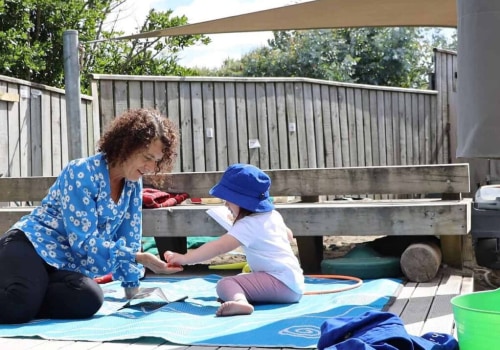
In the vibrant and bustling environment of a kids play centrekids play centre, children are often immersed in a whirlwind of activities, laughter, and excitement. While this energetic atmosphere is designed to stimulate play and social interaction, it can also lead to feelings of overwhelm for some children. This is where the concept of a quiet area becomes essential. A designated space for children to retreat to when they need a break can significantly enhance their overall experience, allowing them to recharge and regain their composure. Many children, especially those who may be sensitive to sensory overload, benefit from having a calm environment where they can escape the noise and chaos.
A quiet area provides a sanctuary where they can relax, reflect, or simply enjoy a moment of solitude. This is particularly important for children with autism or other sensory processing challenges, who may find the stimulating environment of a provides a sanctuary where they can relax, reflect, or simply enjoy a moment of solitude. This is particularly important for children with autism or other sensory processing challenges, who may find the stimulating environment of a kids play centre too intense. By incorporating such spaces, play centres not only cater to the diverse needs of all children but also promote inclusivity and understanding. Moreover, these quiet zones can serve as an educational tool for parents and caregivers. They offer an opportunity to teach children about self-regulation and the importance of listening to their own needs.
When children learn that it’s okay to take a break when feeling overwhelmed, they develop healthier coping mechanisms that will benefit them in various aspects of life. Ultimately, integrating a quiet area into a kids play centre is not just about providing a physical space; it’s about fostering an environment that prioritises emotional well-being and supports every child's unique journey through play.
What is a Kids Play Centre?
A kids play centre is a dedicated space designed to provide children with a safe and engaging environment to play, learn, and socialise. These centres are often equipped with a variety of facilities and activities that cater to different age groups, ensuring that every child can find something enjoyable to do.Features of a Kids Play Centre
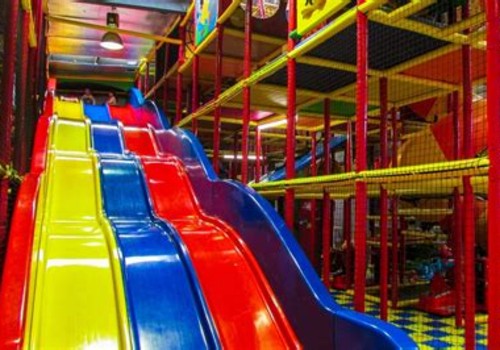
- Play Structures: Most kids play centres feature large indoor play structures that include slides, climbing walls, and ball pits, allowing children to explore and develop their physical skills.
- Soft Play Areas: These areas are designed for younger children, providing a safe space with soft surfaces where they can crawl, climb, and interact without the risk of injury.
- Creative Zones: Many centres include arts and crafts areas where children can express their creativity through various activities such as painting, drawing, and building.
- Interactive Games: Some play centres offer electronic games or interactive installations that engage children in fun and educational ways.
- Café Facilities: Parents can enjoy refreshments while supervising their children, making it a convenient outing for families.
- Physical Play: Activities such as obstacle courses and group games that promote physical fitness.
- Imaginative Play: Role-playing areas where children can dress up and engage in pretend play.
- Educational Workshops: Some centres offer structured sessions focusing on skills like cooking or science experiments.
- Themed Events: Regularly scheduled events such as birthday parties or seasonal celebrations that provide unique experiences for children.
The Importance of Break Areas for Children
In a bustling kids play centre, the excitement and energy can be overwhelming for some children. This is where the significance of designated break areas comes into play.These quiet spaces are not merely an afterthought; they are essential for promoting child well-being in high-energy environments.
Benefits of Quiet Spaces
- Emotional Regulation: Children often experience a range of emotions during play, from joy to frustration. A break area allows them to process these feelings in a calm environment, helping them return to play with a refreshed mindset.
- Reduced Overstimulation: The sensory overload from bright lights, loud noises, and active play can lead to anxiety or meltdowns. Quiet areas provide a sanctuary where children can decompress and recharge.
- Social Skills Development: Taking breaks can also foster social skills. Children learn to communicate their needs and negotiate time away from play, which is crucial for their interpersonal development.
This self-awareness is vital for their overall development and helps instil lifelong habits of self-care.
The Role of Caregivers
Caregivers play a pivotal role in guiding children towards these quiet spaces. By encouraging breaks, they help children understand that it’s perfectly acceptable to step back from the action when needed. This not only supports the child’s immediate needs but also teaches them valuable lessons about balance and moderation.In conclusion, incorporating break areas within a kids play centre is crucial for fostering a healthy play environment. These spaces not only enhance the overall experience but also contribute significantly to the emotional and psychological well-being of children.
Identifying Quiet Areas in Kids Play Centres
When visiting a kids play centre, it’s essential to identify areas where children can take a break from the hustle and bustle of activities.These quiet spaces can provide a much-needed respite for children who may feel overwhelmed or need some time to recharge.
How to Find Quiet Areas
- Look for designated quiet zones: Many play centres have specific areas marked as quiet zones, often equipped with comfortable seating and calming decor.
- Observe the layout: Areas that are slightly separated from the main play zones, such as corners or alcoves, often serve as natural quiet spaces.
- Check for sensory rooms: Some centres offer sensory rooms designed to provide a calming environment with soft lighting and soothing sounds.
Features of Quiet Spaces
- Comfortable seating: Look for areas with soft chairs or bean bags where children can relax.
- Low noise levels: A good quiet area should be away from loud activities, allowing for a peaceful atmosphere.
- Calming decor: Soft colours and gentle lighting can help create a soothing environment.
- Accessible resources: Books, puzzles, or soft toys can provide engaging yet calming activities for children.
Signs of a Good Quiet Area
- The area is frequently used by children needing a break, indicating its effectiveness.
- Parents feel comfortable allowing their children to use the space without constant supervision.
- The space is well-maintained and clean, contributing to a welcoming atmosphere.
Designing Effective Quiet Spaces for Children
Creating effective quiet spaces within a kids play centre is essential for providing children with a sanctuary where they can recharge away from the hustle and bustle of play. These areas should be thoughtfully designed to cater to the diverse needs of children, particularly those who may feel overwhelmed by sensory stimuli.Key Elements of Effective Quiet Areas
- Comfortable Seating: Incorporating soft seating options such as bean bags, cushions, or low sofas can create a welcoming environment. This encourages children to relax and feel at ease.
- Soft Lighting: Using dimmable lights or natural light sources can help reduce overstimulation. Consider adding lamps with warm tones to create a calming atmosphere.
- Soundproofing: To minimise noise from the main play area, sound-absorbing materials such as carpets, curtains, and acoustic panels can be beneficial.
This helps in creating a serene environment.
- Sensory-Friendly Elements: Including items like fidget toys, textured walls, or calming visuals can engage children without overwhelming them. These elements should be easily accessible and varied to cater to different preferences.
- Nature-Inspired Decor: Integrating natural elements such as plants or nature-themed artwork can enhance the calming effect of the space. Nature has been shown to reduce stress and promote relaxation.
Considerations for Sensory-Friendly Design
When designing these quiet areas, it’s crucial to consider the sensory needs of children. Some may require complete silence, while others might benefit from gentle background sounds like nature sounds or soft music.
Providing options allows children to choose what best suits their needs.Additionally, ensuring that the quiet space is easily accessible and clearly marked will encourage children to use it when they need a break. By prioritising these design elements, a kids play centre can effectively support children's emotional well-being and create a balanced play experience.
FAQs About Quiet Areas in Kids Play Centres
When visiting a kids play centre, parents often have questions about the availability and purpose of quiet areas designed for children who may need a break from the bustling environment. Here are some common queries:- What is a quiet area in a kids play centre?
A quiet area is a designated space within the kids play centre where children can retreat to relax, recharge, or engage in quieter activities. These areas are typically equipped with comfortable seating, soft lighting, and calming decor to create a soothing atmosphere. - Are quiet areas supervised?
Most kids play centres ensure that quiet areas are monitored by staff to maintain safety and provide assistance if needed.This supervision helps parents feel more at ease while their children take a moment away from the excitement.
- How do I know if my child needs a break?
Signs that your child may benefit from some time in a quiet area include becoming easily overwhelmed, showing signs of fatigue, or expressing frustration. If you notice these behaviours, it might be time to suggest a short break. - Can siblings use the quiet area together?
Yes, siblings can often use the quiet area together. It can be a great opportunity for them to bond in a calmer setting while still enjoying each other's company.
If you have specific concerns, it’s always best to contact the centre directly before your visit. In summary, quiet areas in kids play centres serve an essential role in providing children with a space to decompress amidst the excitement. Understanding their purpose and availability can help parents make informed decisions about their child's experience.
Conclusion: The Role of Quiet Areas in Enhancing Play Centre Experiences
In conclusion, the presence of quiet areas within a kids play centre plays a crucial role in enhancing the overall experience for children. These designated spaces provide a necessary respite from the often overwhelming stimuli of play activities, allowing children to recharge and refocus. As we have discussed, the benefits of having a quiet area include: plays a crucial role in enhancing the overall experience for children. These designated spaces provide a necessary respite from the often overwhelming stimuli of play activities, allowing children to recharge and refocus. As we have discussed, the benefits of having a quiet area include:- Emotional Regulation: Children can manage their emotions better when they have a space to retreat to, helping them cope with feelings of overstimulation or frustration.
- Social Skills Development: Quiet areas can serve as a neutral ground for children to engage in calmer interactions, fostering friendships and improving communication skills.
- Enhanced Focus: A tranquil environment allows children to concentrate on quieter activities, such as reading or drawing, which can be beneficial for their cognitive development.
By recognising the importance of these spaces, play centre operators can create a more inclusive and supportive environment that caters to the diverse needs of all children.