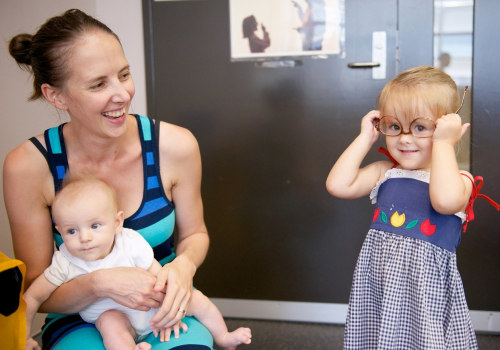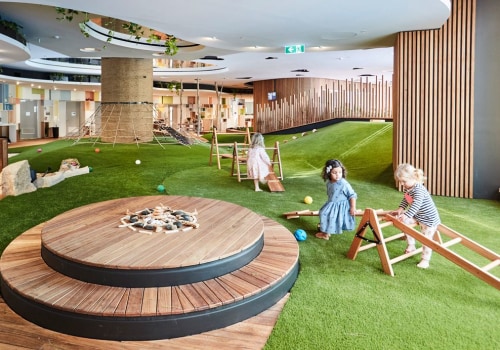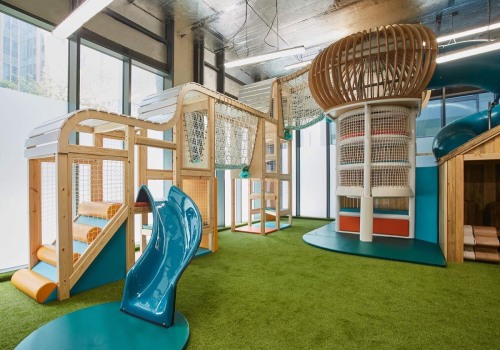
A kids play centre is a specially designed space where children can engage in various recreational activities, fostering both physical and social development. These centres are often equipped with a range of play structures, interactive games, and creative zones that cater to different age groups and interests. The primary purpose of a kids play centre is to provide a safe and stimulating environment where children can explore, learn, and have fun while developing essential skills such as teamwork, communication, and problem-solving. There are several types of is a specially designed space where children can engage in various recreational activities, fostering both physical and social development. These centres are often equipped with a range of play structures, interactive games, and creative zones that cater to different age groups and interests. The primary purpose of a kids play centre is to provide a safe and stimulating environment where children can explore, learn, and have fun while developing essential skills such as teamwork, communication, and problem-solving. There are several types of kids play centres, each offering unique experiences tailored to the needs of young visitors. Some centres focus on physical play, featuring climbing walls, ball pits, and obstacle courses that encourage children to be active.
Others may emphasise imaginative play with themed areas like pirate ships or fairy tale castles, allowing kids to immerse themselves in creative scenarios. Additionally, there are centres that incorporate educational elements, providing interactive exhibits that promote learning through play. As we delve deeper into the topic of inclusivity and accessibility within these spaces, it is crucial to understand how kids play centres can adapt to accommodate children with disabilities. By recognising the diverse needs of all children, these centres can create an environment where every child has the opportunity to participate fully in the joy of play.
The Importance of Inclusivity in Play
Inclusivity in play is not just a buzzword; it is a fundamental aspect of child development that fosters a sense of belonging and community. For children with disabilities, participating in activities at a kids play centre can be particularly transformative.It allows them to engage with their peers, develop social skills, and build friendships in an environment that celebrates diversity.
Benefits of Inclusive Play
- Social Development: Inclusive play encourages interaction among children of varying abilities, helping them learn to communicate, share, and cooperate. This interaction is vital for developing empathy and understanding.
- Emotional Growth: When children with disabilities are included in play activities, they experience increased self-esteem and confidence. They learn that their contributions are valued, which can significantly enhance their emotional well-being.
- Physical Skills: Engaging in play at a kids play centre often involves physical activity, which is essential for all children. For those with disabilities, adapted play equipment can help improve motor skills and coordination.
This exposure is crucial in shaping future generations who are more compassionate and understanding.In conclusion, the importance of inclusivity in play cannot be overstated. By ensuring that kids play centres are accessible and welcoming to children with disabilities, we not only enrich their lives but also create a more inclusive society where every child has the chance to thrive.
Accessibility Features in Kids Play Centres
When considering a kids play centre for children with disabilities, it is essential to look for specific accessibility features that ensure an inclusive and enjoyable experience. Many modern play centres are designed with these needs in mind, offering a range of facilities and equipment tailored to accommodate children of all abilities.Adaptive Equipment
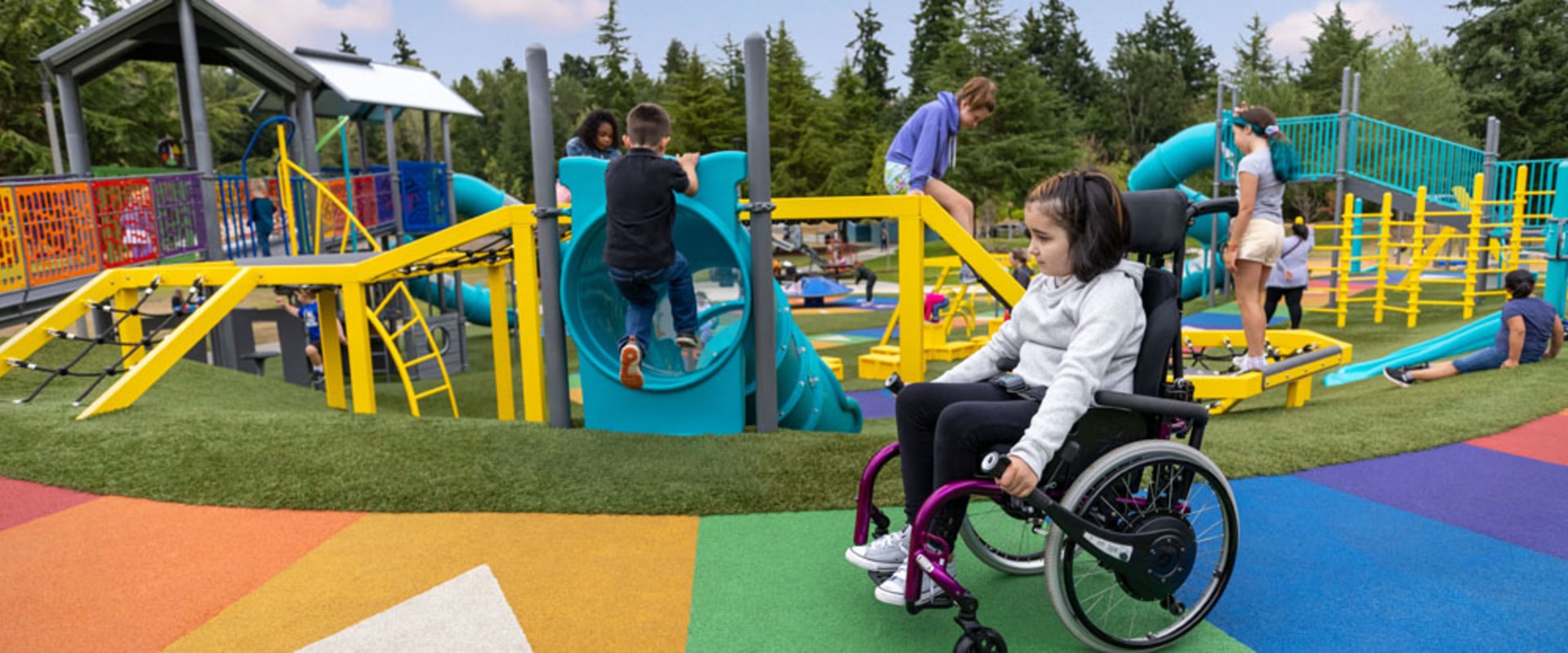
One of the most significant advancements in kids play centres is the introduction of adaptive equipment. This includes:- Wheelchair-accessible play structures: These structures allow children who use wheelchairs to engage in play alongside their peers.
- Swings with harnesses: Specially designed swings provide safety and support for children with mobility challenges.
- Interactive sensory panels: These panels stimulate touch, sight, and sound, making play more engaging for children with sensory processing disorders.
Sensory-Friendly Spaces
Acknowledging the diverse sensory needs of children, many kids play centres now feature sensory-friendly spaces.These areas are designed to provide a calming environment where children can retreat if they feel overwhelmed. Key characteristics include:
- Soft lighting: Gentle illumination helps reduce overstimulation.
- Soundproofing: Quiet zones allow children to escape the noise of the main play area.
- Sensory toys and tools: Items such as fidget spinners, textured balls, and weighted blankets can help soothe anxious children.
Types of Activities Available for Children with Disabilities
At a kids play centre, there are numerous activities for children with disabilities that are thoughtfully designed to ensure inclusivity and engagement.These activities not only cater to various needs but also promote social interaction and physical development.
Adaptive Games
Adaptive games are a fantastic way to encourage participation among all children. These games are modified to accommodate different abilities, ensuring that every child can join in the fun. Examples include:- Wheelchair basketball: A modified version of basketball that allows children in wheelchairs to participate fully.
- Soft play areas: These areas often feature padded equipment that is accessible for children with mobility challenges, allowing them to explore safely.
- Sensory activities: Engaging children through tactile experiences, such as sand and water play, which can be adapted for various sensory needs.
Inclusive Activities
In addition to adaptive games, many kids play centres offer inclusive activities that encourage teamwork and cooperation. These activities can include:- Art and craft sessions: Creative workshops where children can express themselves through various mediums, tailored to accommodate different skill levels.
- Music and movement classes: These classes allow children to engage with music through dance and rhythm, often using instruments that are easy to handle.
- Storytime sessions: Interactive storytelling that invites participation from all children, fostering a love for reading and imagination.
By creating an environment where every child feels welcome and valued, kids play centres play a crucial role in promoting inclusivity and understanding within the community.
Real-Life Examples of Inclusive Kids Play Centres
Inclusive kids play centres are becoming increasingly common, providing environments where children of all abilities can play together. Here are some notable examples that showcase how these centres successfully implement accessibility and inclusivity:- Adventure Zone, London: This play centre features sensory rooms designed specifically for children with sensory processing disorders. The space includes soft lighting, calming sounds, and tactile toys that allow children to explore in a safe environment.
- Playtopia, Manchester: Playtopia has made significant strides in inclusivity by incorporating wheelchair-accessible equipment and sensory-friendly areas. They also offer special sessions for children with disabilities, ensuring a quieter atmosphere for those who may feel overwhelmed in larger groups.
- Funland, Birmingham: Funland is renowned for its commitment to inclusivity.
They have trained staff to assist children with various needs and provide adaptive play equipment. Their success stories include a child with autism who found joy in their interactive water play area, which was designed to be both engaging and calming.
Tips for Parents: Choosing an Inclusive Kids Play Centre
When selecting a kids play centre for a child with disabilities, it’s essential to consider several factors that ensure an inclusive and enjoyable experience.Here are some practical tips for parents:
- Accessibility: Look for centres that are designed with accessibility in mind. This includes ramps, wide doorways, and accessible restrooms. Ensure that the play equipment is suitable for children with various mobility needs.
- Staff Training: Inquire whether the staff have received training in supporting children with disabilities. Knowledgeable staff can make a significant difference in creating a welcoming environment.
- Inclusive Activities: Check if the play centre offers activities that cater to all abilities.
Look for sensory play areas, adaptive games, and equipment that can be used by children with different needs.
- Quiet Spaces: Some children may become overwhelmed in busy environments. A good kids play centre should provide quiet areas where children can take a break if needed.
- Parent Reviews: Seek feedback from other parents who have children with disabilities. Their experiences can provide valuable insights into how accommodating the centre truly is.
- Trial Visits: If possible, visit the centre beforehand to assess its suitability. Observe how the staff interact with children and whether the environment feels welcoming.
Frequently Asked Questions About Kids Play Centres and Disabilities
When it comes to kids play centres, many parents have questions about how inclusive these environments are for children with disabilities.Here are some common queries and concerns:
- Are kids play centres accessible for children with physical disabilities?
Most modern kids play centres strive to be accessible, featuring ramps, wide pathways, and equipment designed for all abilities. It’s advisable to check with the centre beforehand to understand their specific accessibility features. - What types of activities are available for children with sensory processing issues?
Many kids play centres offer sensory-friendly activities, such as quiet zones or soft play areas that cater to children who may become overwhelmed in busy environments. Parents should inquire about specific provisions that support sensory needs. - Can staff assist children with disabilities during play?
Staff training varies by centre, but many kids play centres employ trained personnel who can assist children with disabilities. It’s beneficial to communicate your child’s needs to the staff upon arrival. - Are there any special events or sessions for children with disabilities?
Some centres host dedicated sessions for children with disabilities, allowing them to enjoy the facilities in a less crowded and more supportive environment.Check the centre’s schedule or website for such events.
- How can I prepare my child for a visit to a kids play centre?
Preparation can help ease anxiety. Discuss what they can expect, visit the centre’s website together, and consider a trial visit during quieter hours to help them acclimatise.
Conclusion: Embracing Inclusivity in Play Spaces
In conclusion, the discussion surrounding children with disabilities participating in activities at a kids play centre highlights the critical need for inclusivity in these environments. Throughout this article, we have explored various aspects of accessibility, from physical adaptations to staff training, all aimed at ensuring that every child can enjoy the benefits of play.It is essential to recognise that play is a fundamental right for all children, regardless of their abilities.By fostering an inclusive atmosphere, kids play centres not only enhance the experience for children with disabilities but also promote understanding and empathy among all children. This interaction can lead to lifelong friendships and a more accepting society.
- Accessibility Features: Implementing ramps, sensory-friendly areas, and adaptive equipment can significantly improve access for children with various needs.
- Staff Training: Educating staff on how to assist children with disabilities ensures that all children receive the support they need to engage fully in activities.
- Community Engagement: Involving parents and caregivers in discussions about accessibility can lead to better solutions tailored to the specific needs of local families.