In today’s fast-paced world, kids play centres have emerged as vibrant havens for children, offering a safe and engaging environment where they can explore, learn, and socialise. These facilities are designed to cater to the diverse needs of children, providing a range of activities that promote physical development, creativity, and social skills. However, as a parent or guardian considering a visit to a children play centre, it is crucial to understand the age requirements that govern these spaces. Each kids play centre typically has specific age restrictions to ensure the safety and enjoyment of all children. These guidelines help create an environment where kids can interact with peers of similar developmental stages, allowing for more meaningful play experiences.
For instance, some centres may have designated areas for toddlers, while others might cater specifically to older children. Understanding these age requirements not only helps in planning your visit but also ensures that your child can fully benefit from the facilities available. Moreover, knowing the appropriate age range for different activities can enhance your child’s experience at a kids play centre. Engaging in age-appropriate play not only fosters confidence but also encourages children to develop essential skills in a fun and supportive setting. As you consider visiting a local children play centre, take the time to research and understand these age guidelines, ensuring that your child has the best possible experience while enjoying all that these exciting venues have to offer.
What is a Kids Play Centre?
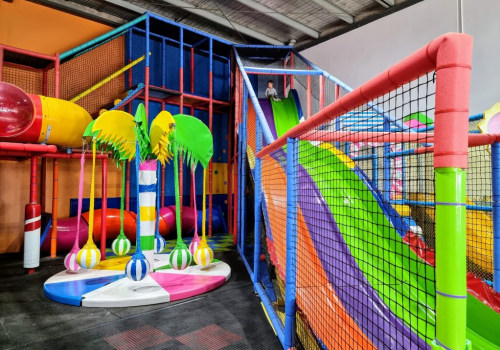
A kids play centre is a dedicated space designed to provide children with a safe and engaging environment to play, explore, and socialise.These centres are often equipped with a variety of play structures and activities that cater to different age groups, making them an ideal destination for families looking to entertain their little ones.Typically, a kids play centre features:
- Soft Play Areas: These are padded zones filled with soft structures like slides, climbing frames, and ball pits, ensuring that children can play safely without the risk of injury.
- Interactive Games: Many centres include interactive games that promote physical activity and cognitive development, such as obstacle courses and sensory play stations.
- Creative Zones: Some kids play centres offer areas for arts and crafts, allowing children to express their creativity through various materials and projects. Some kids play centres offer areas for arts and crafts, allowing children to express their creativity through various materials and projects.
- Party Facilities: Many centres provide options for birthday parties or special events, complete with themed decorations and catering services.
- Café or Snack Bar: To accommodate parents and guardians, most kids play centres have on-site cafés where adults can relax while children play.
Age Guidelines for Kids Play Centres
When considering a visit to a kids play centre, it's essential to understand the typical age guidelines that these facilities implement.These guidelines are designed to ensure safety and enjoyment for all children, catering to their developmental stages.
Minimum Age Requirements
- Most kids play centres set a minimum age limit, often around 1 to 2 years old. This is to ensure that younger children can safely navigate the play areas designed for their size and abilities.
- Some centres may offer designated toddler zones, allowing younger children to play in a secure environment away from older kids.
Maximum Age Limits
- The maximum age for children at a kids play centre typically ranges from 10 to 12 years old. This limit is in place to maintain a safe and enjoyable atmosphere for younger visitors.
- Older children may find the activities less engaging, and their presence could pose safety risks to younger participants.
Rationale Behind Age Guidelines
The rationale for these age restrictions is primarily based on safety and developmental appropriateness. Younger children require different types of play equipment and supervision compared to older kids.
By establishing clear age limits, kids play centres can create an environment where children can explore, learn, and interact with peers in a safe setting.Ultimately, while age guidelines may vary between different facilities, they serve a crucial role in ensuring that every child has a fun and safe experience at the kids play centre.
Factors Influencing Age Restrictions
When considering the age restrictions at a kids play centre, several factors come into play that ensure both safety and developmental appropriateness for children. Understanding these factors can help parents make informed decisions about when their children can safely enjoy these facilities.Safety Considerations
One of the primary reasons for age restrictions in kids play centres is safety. Play areas are often designed with specific age groups in mind, as different ages have varying levels of physical ability and risk awareness. For instance:- Physical Development: Younger children may not have the strength or coordination to navigate certain equipment safely, increasing the risk of injury.
- Supervision Needs: Younger children typically require more supervision, which can be challenging in a mixed-age environment.
- Equipment Design: Many play centres feature equipment tailored to specific age groups, ensuring that it is both safe and engaging for those children.
Developmental Appropriateness
Apart from safety, developmental appropriateness is another critical factor influencing age restrictions.Children develop at different rates, and activities suitable for one age group may not be appropriate for another. For example:
- Cognitive Skills: Older children may engage in more complex games that require strategic thinking, while younger ones benefit from simpler, imaginative play.
- Social Interaction: Age-appropriate play encourages social skills development; younger children often thrive in environments where they can interact with peers of similar ages.
- Emotional Readiness: Children need to feel comfortable and confident in their surroundings; age restrictions help ensure that they are not overwhelmed by older, more boisterous children.
Benefits of Age-Appropriate Play Areas
Creating age-appropriate play areas within kids play centres is essential for fostering a safe and stimulating environment that caters to the developmental needs of children. These tailored spaces not only enhance the overall play experience but also contribute significantly to various aspects of child development.1.Safety and Security
- Age-appropriate play areas are designed with safety in mind, ensuring that children can explore and engage without the risk of injury.
For instance, soft play zones for toddlers prevent falls and bumps, while more challenging structures for older children promote physical activity in a controlled manner.
2.Developmental Benefits
- Cognitive Development: Activities tailored to specific age groups stimulate critical thinking and problem-solving skills. For example, puzzles and interactive games for younger children encourage cognitive growth.
- Social Skills: Play areas designed for specific age ranges facilitate social interaction among peers, helping children develop essential communication and teamwork skills.
- Physical Development: Age-appropriate equipment encourages physical activity that is suitable for each developmental stage, promoting gross and fine motor skills.
3.Emotional Well-being
- When children engage in activities that are appropriate for their age, they experience a sense of achievement and confidence. This boosts their self-esteem and encourages them to take on new challenges.
What to Expect at Different Age Levels
When visiting a kids play centre, it's essential to understand the variety of activities tailored for different age groups.Each section of the play centre is designed to cater to the developmental needs and safety of children at various stages.
Activities for Toddlers
For toddlers, typically aged 1 to 3 years, kids play centres offer a safe and stimulating environment. Activities often include:- Soft play areas: These are padded zones where toddlers can crawl, climb, and explore without the risk of injury.
- Interactive toys: Simple puzzles, building blocks, and sensory toys help develop fine motor skills.
- Ball pits: A fun way for toddlers to engage in physical activity while enjoying the sensation of floating balls.
Activities for Preschoolers
As children progress into preschool age (3 to 5 years), they require more engaging and challenging activities. In this age group, you can expect:- Obstacle courses: Designed to enhance coordination and balance, these courses encourage physical activity.
- Role-play areas: Spaces where children can engage in imaginative play, such as a mini supermarket or kitchen.
- Arts and crafts stations: Creative activities that allow preschoolers to express themselves through art.
Activities for Older Children
For older children, typically aged 6 and above, kids play centres provide more adventurous options. Activities may include:- Climbing walls: These offer a thrilling challenge that promotes strength and confidence.
- Laser tag or arcade games: Engaging games that foster teamwork and strategic thinking.
- Trampoline parks: Areas dedicated to jumping and flipping, which are great for energy release and fun.
Frequently Asked Questions About Kids Play Centres
When it comes to kids play centres, parents often have a variety of questions regarding age limits and safety.Here are some of the most frequently asked questions:
- What is the minimum age for children to enter a kids play centre?
Most kids play centres cater to children aged 1 to 12 years. However, some facilities may allow younger toddlers, typically from 6 months, especially in designated areas. - Are there specific areas for different age groups?
Yes, many kids play centres have separate zones tailored for various age groups. This ensures that younger children can play safely without the risk of larger kids accidentally bumping into them. - Can I bring my child if they are under the recommended age?
While some centres may allow younger children, it’s essential to check with the specific kids play centre beforehand. They often have guidelines in place to ensure safety and enjoyment for all. - What safety measures are in place for younger children?
Most kids play centres implement strict safety protocols, including padded play areas, supervised zones, and regular equipment checks.Parents should always supervise their children, especially in busy environments.
- Are there any restrictions on adult supervision?
Typically, adults must accompany children under a certain age (often 4 or 5 years) within the play area. This policy helps maintain a safe environment for all visitors.
Conclusion: Making Informed Choices for Your Child's Playtime
In conclusion, understanding the age requirements for a kids play centre is crucial for ensuring a safe and enjoyable experience for your child. Each play centre has its own set of guidelines, often influenced by safety regulations and the design of their facilities.By familiarising yourself with these requirements, you can make informed decisions that cater to your child's developmental stage.As discussed, most kids play centres typically cater to children aged from 0 to 12 years, with specific areas designated for different age groups. This segmentation helps to prevent accidents and allows children to engage in activities that are appropriate for their skill levels. For instance:
- Toddlers (0-3 years): These areas often feature soft play equipment and sensory activities designed to stimulate young minds while ensuring safety.
- Preschoolers (3-5 years): Play centres may offer more interactive and challenging structures that encourage physical activity and social interaction.
- Older children (6-12 years): Facilities for this age group usually include climbing walls, obstacle courses, and other adventurous play options.
Always observe how your child interacts with the space and other children to ensure they are comfortable.Ultimately, choosing the right kids play centre involves balancing safety, age appropriateness, and your child's unique needs. By taking the time to research and visit potential centres, you can create a positive play experience that fosters growth, creativity, and fun.