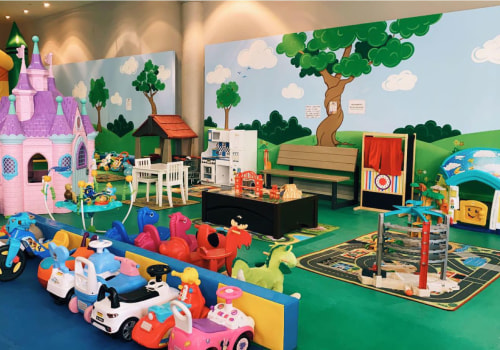
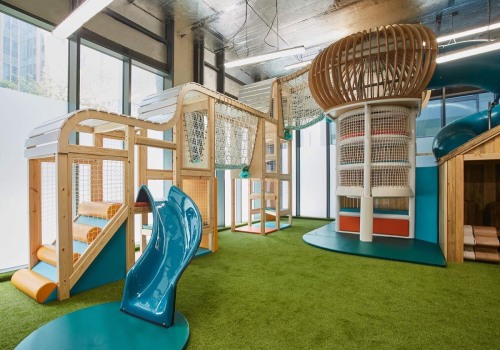
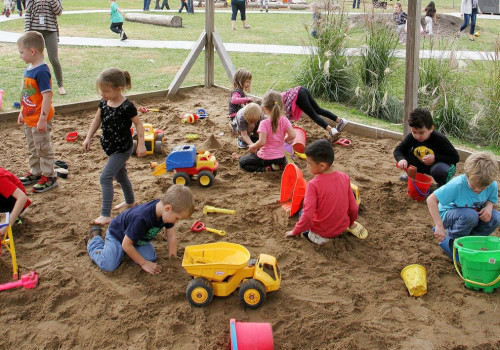
In today’s fast-paced world, kids play centres have emerged as vital spaces for children to engage in play, learn, and develop essential social skills. These centres provide a safe and stimulating environment where children can explore their creativity, interact with peers, and participate in physical activities that are crucial for their overall development. The importance of kids play centres cannot be overstated, as they serve as a foundation for building friendships and enhancing emotional intelligence, much like venues that Serve Alcohol at Events Held in London create social opportunities for adults. Moreover, the benefits of cannot be overstated, as they serve as a foundation for building friendships and enhancing emotional intelligence, much like venues that Serve Alcohol at Events Held in London create social opportunities for adults. Moreover, the benefits of play centres extend beyond mere entertainment. They offer structured play opportunities that encourage teamwork, problem-solving, and communication among children.
In these vibrant settings, kids can navigate challenges and learn to cooperate with others, fostering a sense of community and belonging. As parents increasingly recognise the value of such environments, the demand for well-designed kids play centres continues to grow. As we delve deeper into the topic of kids play centres, it is essential to consider various factors that contribute to their effectiveness, including safety regulations and capacity limits. Understanding these aspects not only ensures a positive experience for children but also helps parents make informed decisions about where to take their little ones for play and social interaction.
Understanding Capacity Limits in Kids Play Centres
When discussing maximum capacity in the context of a kids play centre, it is essential to understand that this term refers to the highest number of children that can safely occupy the facility at any given time. This limit is not arbitrary; it is determined by various capacity regulations and safety standards designed to ensure the well-being of all children present.In the UK, play centres must adhere to specific guidelines set forth by local authorities and health and safety regulations.These guidelines often take into account factors such as:
- The size of the play areaThe size of the play area
- The type of equipment available
- The age range of children using the facility
- The number of staff members supervising the children
Overcrowding can lead to accidents and injuries, making it crucial for centres to monitor their numbers closely.In summary, understanding the maximum capacity for a kids play centre involves recognising the interplay between legal regulations and safety standards. Parents should always check with individual centres regarding their specific capacity limits and policies to ensure a safe environment for their children.
Factors Influencing Capacity at Kids Play Centres
When considering the maximum capacity of a kids play centre, several key factors come into play. Understanding these elements is crucial for ensuring a safe and enjoyable environment for children.- Available Space: The physical dimensions of the play area are perhaps the most significant factor. A larger space can accommodate more children, but it must also allow for safe movement and interaction.
Play centres should adhere to guidelines that dictate how much space is required per child to prevent overcrowding.
- Types of Equipment: The nature and variety of equipment available in a kids play centre also influence capacity. For instance, climbing structures, slides, and ball pits each have specific safety requirements and recommended usage limits. If equipment is designed for smaller groups, it may restrict the overall number of children allowed at any one time.
- Safety Considerations: Safety regulations play a critical role in determining capacity. Play centres must comply with local health and safety laws, which often include guidelines on maximum occupancy based on the layout and equipment.
Regular safety audits can help ensure that the centre does not exceed its safe capacity.
- Staffing Levels: The number of staff members present is another important factor. Adequate supervision is essential for maintaining safety standards, and staffing ratios often dictate how many children can be present at once. A well-staffed centre can manage larger groups effectively, while insufficient staff may necessitate a lower capacity.
Legal Regulations and Guidelines for Kids Play Centres
When it comes to operating a kids play centre, understanding the legal regulations and guidelines is crucial for ensuring the safety of children and compliance with local laws.These regulations often dictate not only the design and maintenance of the facilities but also the maximum capacity of children allowed at any given time.
Health and Safety Regulations
- The Health and Safety Executive (HSE) provides comprehensive guidelines that play centres must adhere to, focusing on risk assessments and safety measures.
- Regular inspections are mandated to ensure that equipment is safe and that the environment is free from hazards.
- Staff-to-child ratios are often specified, ensuring adequate supervision to prevent accidents and injuries.
Local Laws and Guidelines
- Local councils may have specific regulations regarding the operation of kids play centres, including zoning laws that affect where these facilities can be located.
- Some areas may require a license to operate, which includes demonstrating compliance with health and safety standards.
- The maximum capacity can vary based on the size of the facility, the type of equipment available, and the age group of children using the centre.
Best Practices for Managing Capacity in Kids Play Centres
Managing capacity in a kids play centre is crucial for ensuring a safe and enjoyable environment for children. Here are some best practices to consider:- Establish Clear Capacity Limits: Determine the maximum number of children allowed in the play area based on safety regulations and the size of the facility.
This limit should be clearly displayed at the entrance and throughout the centre.
- Implement a Booking System: Consider using an online or phone booking system to manage visitor numbers. This allows parents to reserve their spots in advance, helping to control crowd levels during peak times.
- Monitor Entry and Exit Points: Assign staff to monitor entry and exit points, ensuring that the number of children entering does not exceed the established capacity. This can also help in managing flow and reducing congestion.
- Utilise Time Slots: Introduce timed sessions for play, allowing families to enjoy the facilities without overcrowding. This approach can enhance the experience by providing ample space for play.
- Communicate with Parents: Keep parents informed about capacity limits and any waiting times.
Use signage and announcements to ensure everyone is aware of current conditions.
Common Misconceptions About Capacity Limits in Kids Play Centres
When it comes to kids play centres, there are several misconceptions surrounding capacity limits that can lead to confusion among parents and guardians. Understanding these myths is crucial for ensuring a safe and enjoyable experience for children.One common misconception is that all kids play centres have a strict, universal capacity limit.In reality, capacity can vary significantly from one centre to another, depending on factors such as the size of the facility, the type of equipment available, and local safety regulations. Each centre typically conducts its own risk assessments to determine the maximum number of children that can safely play at any given time.Another myth is that capacity limits are solely based on the number of children present. While this is a significant factor, kids play centres also consider the age and size of the children. For instance, younger children may require more space to play safely, which could lead to a lower capacity limit compared to older children who can navigate the equipment more easily.Additionally, some parents believe that if a kids play centre appears busy, it must be at full capacity.
However, many centres implement a system to monitor and manage the flow of children, allowing them to maintain a safe environment even during peak times. This means that while it may look crowded, there could still be room for more children within the established safety guidelines.Finally, it's important to note that capacity limits are not just arbitrary numbers; they are put in place for the safety and well-being of all children. Parents should feel encouraged to ask staff about these limits and how they are enforced. Understanding these aspects can help alleviate concerns and ensure a positive experience at any kids play centre.
FAQs About Capacity at Kids Play Centres
When it comes to kids play centres, many parents have questions regarding the capacity limits and safety measures in place.Here are some frequently asked questions that can help clarify these concerns:
- What is the maximum capacity for children at a kids play centre?
The maximum capacity varies by location and is determined by factors such as the size of the facility, available equipment, and safety regulations. Most play centres will display their capacity limits prominently to ensure compliance with safety standards. - How are capacity limits enforced?
Staff members at kids play centres are trained to monitor the number of children in the facility. They may use wristbands or stamps to track entries and exits, ensuring that the number of children does not exceed the set limit. - What happens if a kids play centre reaches its capacity?
If a centre reaches its maximum capacity, they may temporarily close their doors to new entrants until some children leave. This policy helps maintain a safe environment for all children present. - Are there age restrictions related to capacity?
Yes, many kids play centres have specific age groups for different areas of the facility.This ensures that younger children can play safely without the risk of larger kids accidentally causing harm.
- How do play centres ensure child safety?
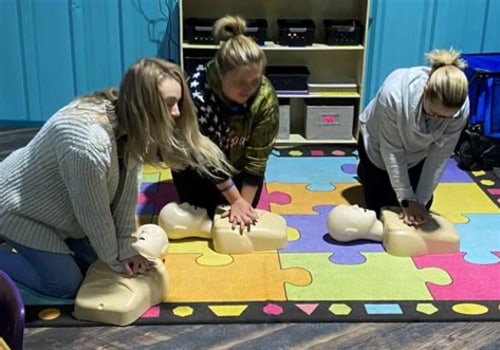
Safety measures include regular inspections of equipment, staff training in first aid, and clear guidelines for behaviour within the centre. Additionally, many facilities have soft play areas designed to minimise injury risks.
Conclusion: The Importance of Understanding Capacity Limits at Kids Play Centres
In conclusion, understanding the capacity limits at kids play centres is crucial for ensuring a safe and enjoyable experience for all children. Throughout this article, we have explored various aspects of capacity regulations, including the factors that influence these limits and the potential risks associated with overcrowding.One of the primary reasons for adhering to capacity limits is safety.Overcrowded play areas can lead to accidents, as children may not have enough space to move freely or may inadvertently collide with one another. This can result in injuries that could easily be avoided if the centre operates within its designated capacity.Moreover, understanding these limits enhances the overall experience for both children and parents. When a kids play centre maintains an appropriate number of visitors, it allows for better supervision and engagement from staff, ensuring that each child receives the attention they need. This not only promotes a safer environment but also fosters a more enjoyable atmosphere where children can fully explore and interact with the facilities.It is also important for parents to be aware of these capacity limits when planning their visits.
By choosing times when the centre is less crowded, families can enjoy a more relaxed experience without the stress of navigating through large groups of children.In summary, respecting the capacity limits at kids play centres is essential for safety, enjoyment, and overall satisfaction. By being informed and proactive, parents can help ensure that their children have a fun and safe play experience.