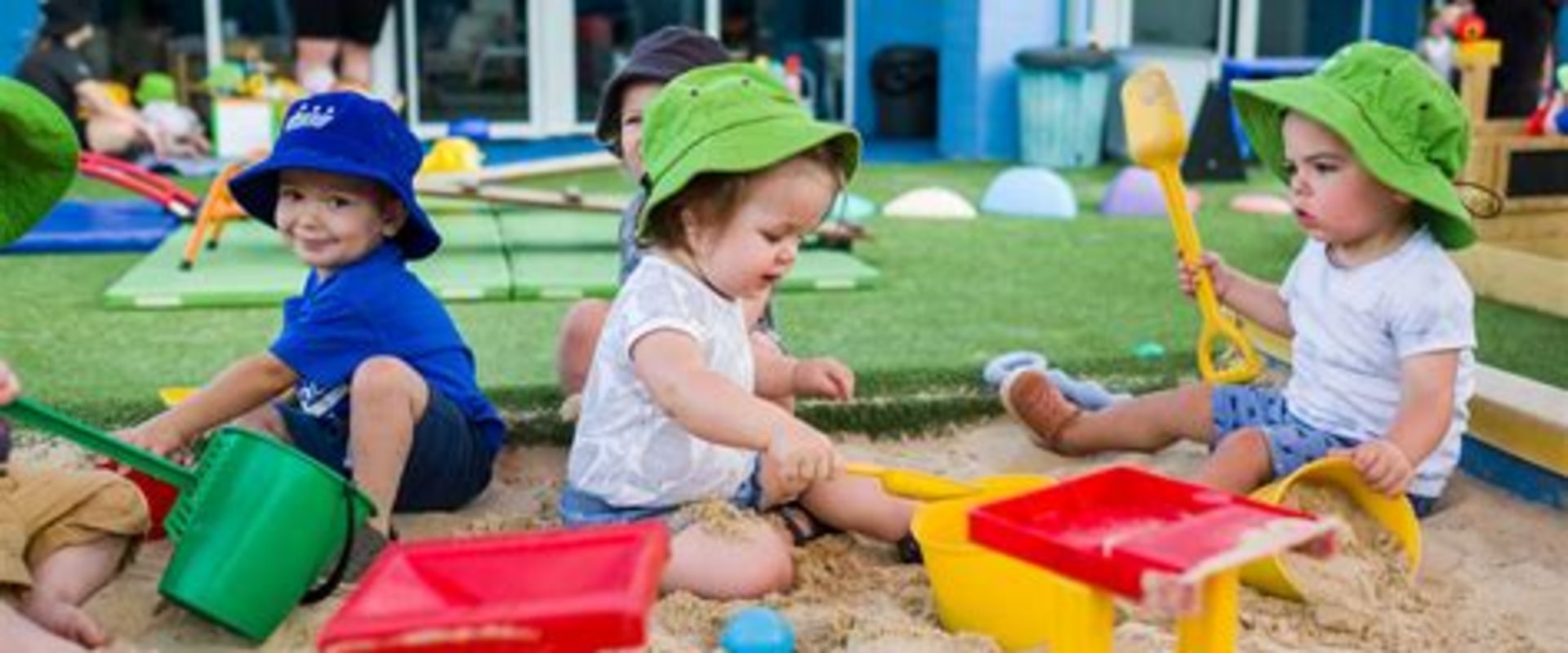
In recent years, kids play centres have surged in popularity across the UK, becoming a go-to destination for families seeking a fun and safe environment for their children. These vibrant spaces are designed to cater to a wide range of ages, ensuring that every child can enjoy themselves while engaging in physical activity and social interaction. One of the key features that sets these centres apart is the presence of designated areas specifically tailored for toddlers and babies.The importance of having separate zones for younger children cannot be overstated.
Toddler areas
are typically equipped with soft play structures, age-appropriate toys, and safe surfaces that encourage exploration and play without the risk of injury.Meanwhile, baby areas often include sensory play items and comfortable spaces for parents to supervise their little ones as they discover the world around them. This thoughtful design not only enhances safety but also allows children to engage with peers at similar developmental stages.As parents look for places where their children can thrive, the facilities offered by often include sensory play items and comfortable spaces for parents to supervise their little ones as they discover the world around them. This thoughtful design not only enhances safety but also allows children to engage with peers at similar developmental stages.As parents look for places where their children can thrive, the facilities offered by kids play centres become increasingly important. From interactive play equipment to organised activities, these centres provide an enriching environment that promotes physical health and social skills. By understanding the significance of designated areas for toddlers and babies, families can make informed choices about where to spend their leisure time, ensuring that every visit is enjoyable and beneficial for their children. become increasingly important. From interactive play equipment to organised activities, these centres provide an enriching environment that promotes physical health and social skills. By understanding the significance of designated areas for toddlers and babies, families can make informed choices about where to spend their leisure time, ensuring that every visit is enjoyable and beneficial for their children.
Understanding Kids Play Centres
A kids play centre is a specially designed facility that provides a safe and engaging environment for children to play, explore, and socialise.These centres are typically equipped with a variety of play structures, games, and activities tailored to different age groups, ensuring that children can enjoy themselves while developing essential skills.One of the key features of a kids play centre is the designated areas for toddlers and babies. These sections are specifically created to cater to the needs of younger children, providing them with age-appropriate toys and activities that promote sensory exploration and motor skill development. For instance, soft play areas with padded surfaces allow toddlers to crawl and climb safely, while interactive toys stimulate their curiosity.In addition to dedicated spaces for younger children, kids play centres often include:
- Climbing frames and slides that encourage physical activity.
- Ball pits for sensory play and fun.
- Creative zones where children can engage in arts and crafts.
- Interactive games that promote teamwork and social skills.
This not only fosters independence in children but also allows them to develop crucial social skills as they interact with peers. Furthermore, many kids play centres host organised activities and events that can enhance learning through play.In summary, a kids play centre is more than just a place for fun; it is an essential resource for child development, providing safe spaces for toddlers and babies while offering numerous benefits for families.This not only fosters independence in children but also allows them to develop crucial social skills as they interact with peers. Furthermore, many kids play centres host organised activities and events that can enhance learning through play.In summary, a kids play centre is more than just a place for fun; it is an essential resource for child development, providing safe spaces for toddlers and babies while offering numerous benefits for families.
Designated Areas for Toddlers in Kids Play Centres
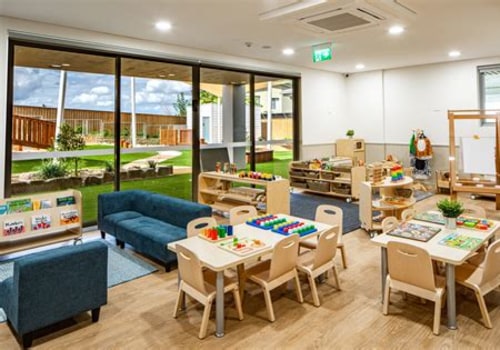
When visiting a kids play centre, parents often seek out designated areas specifically designed for toddlers. These spaces are crucial for ensuring that younger children can play safely and engage in age-appropriate activities. Typically, toddler areas are equipped with soft play equipment, mini slides, and sensory toys that cater to the developmental needs of children aged 1 to 3 years.Safety in Toddler Play Areas
- Soft Surfaces: Most toddler zones feature padded flooring to cushion falls and prevent injuries.
- Age-Appropriate Equipment: The play structures are designed to be low to the ground, allowing toddlers to explore without the risk of serious injury.
- Supervision: Many centres have staff members dedicated to monitoring these areas, ensuring that children are safe while they play.
Activities for Toddlers
The activities available in toddler areas are tailored to stimulate young minds and promote physical development.
Common offerings include:
- Interactive Play Panels: These panels often feature buttons, levers, and textures that encourage sensory exploration.
- Ball Pits: A favourite among toddlers, ball pits provide a fun environment for children to develop their motor skills.
- Climbing Structures: Small climbing frames help toddlers build strength and coordination in a safe setting.
Designated Areas for Babies in Kids Play Centres
When visiting a kids play centre, parents often wonder about the availability of designated areas specifically for babies and toddlers. These areas are crucial for ensuring that younger children can play safely and comfortably while engaging in age-appropriate activities.Many kids play centres feature dedicated spaces for infants, typically designed with soft play equipment and safe surfaces to minimise the risk of injury.These areas often include:
- Soft play zones: These are padded areas filled with soft blocks, mats, and other gentle structures that allow babies to explore and develop their motor skills without the fear of falling or bumping into hard surfaces.
- Interactive toys: Play centres usually provide a variety of sensory toys that stimulate babies' senses, encouraging them to touch, grasp, and manipulate objects.
- Quiet zones: Some facilities incorporate quieter areas where parents can take their babies for a break from the hustle and bustle, complete with comfortable seating and changing facilities.
- The equipment is regularly inspected and maintained to prevent accidents.
- The flooring is made from non-slip materials to reduce the risk of falls.
- Staff members are trained in child safety and first aid, providing peace of mind for parents.
- Baby yoga classes: Designed to promote bonding between parent and child while enhancing flexibility and coordination.
- Sensory play sessions: Engaging babies in activities that stimulate their senses through textures, sounds, and colours.
Safety Standards in Kids Play Centres
Ensuring a safe environment for children is paramount in kids play centres, particularly for the youngest visitors, such as toddlers and babies.These facilities are required to adhere to strict child safety regulations that govern various aspects of their operations.One of the primary safety standards involves the use of age-appropriate equipment. Play areas designated for toddlers and babies must feature soft surfaces, such as foam mats or padded flooring, to minimise the risk of injury from falls. Additionally, any climbing structures or play items should be designed specifically for younger children, ensuring they are not only safe but also engaging.Moreover, kids play centres must regularly inspect and maintain their equipment to prevent accidents. This includes checking for sharp edges, loose parts, or any potential hazards that could pose a risk to children.
Staff training is also crucial; employees should be well-versed in safety protocols and emergency procedures to respond effectively in case of an incident.Another important aspect of safety standards is the implementation of supervision policies. Many centres require that children are accompanied by an adult at all times, particularly in areas designated for toddlers and babies. This ensures that young children are monitored closely, reducing the likelihood of accidents.In addition to physical safety measures, kids play centres must also consider hygiene standards. Regular cleaning and sanitisation of play areas and equipment are essential to protect children from germs and illnesses.
Parents should feel confident that the environment is not only safe but also clean.In summary, adherence to safety standards in kids play centres is critical for creating a secure play environment for toddlers and babies. By focusing on age-appropriate equipment, regular maintenance, effective supervision, and hygiene practices, these centres can provide a safe haven where young children can explore and enjoy their playtime.
Choosing the Right Kids Play Centre for Your Child
When it comes to selecting the right kids play centre for your child, there are several important factors to consider. Each child is unique, and their play needs can vary significantly based on age, interests, and developmental stage.Age-Appropriate Areas
- Ensure that the play centre has designated areas for different age groups, particularly for toddlers and babies. These spaces should be safe and equipped with age-appropriate toys and activities.
- Look for centres that provide soft play zones or sensory areas specifically designed for younger children, as these can help in their physical and cognitive development.
Safety Standards
- Check if the kids play centre adheres to safety regulations.
This includes having padded surfaces, secure equipment, and regular maintenance checks.
- Inquire about the staff-to-child ratio to ensure that there are enough adults supervising the children at all times.
Facilities and Amenities
- Consider additional facilities such as changing rooms, nursing areas, and refreshment options. These can make your visit more comfortable, especially with younger children.
- Look for centres that offer a variety of activities that cater to different interests, from climbing structures to creative play areas.
Reviews and Recommendations
- Read reviews from other parents to gauge their experiences. Online platforms and local parenting groups can provide valuable insights into the quality of a kids play centre.
- Ask friends or family for recommendations based on their visits. Personal experiences can often highlight aspects you might not have considered.
This will ensure that your child has a safe, enjoyable, and enriching experience tailored to their needs.
Frequently Asked Questions about Kids Play Centres
When considering a visit to a kids play centre, many parents have questions about the facilities available for younger children, particularly toddlers and babies. Here are some common queries:Do all kids play centres have toddler areas?
Not all kids play centres are created equal, and while many do feature designated areas for toddlers, it’s essential to check in advance. These areas are specifically designed to cater to the developmental needs of younger children, providing safe and engaging environments. Parents should look for centres that clearly advertise toddler zones, as these spaces often include age-appropriate equipment and activities.Are baby areas safe in play centres?
Safety is a top priority in any kids play centre, especially in areas designated for babies.Most reputable centres implement strict safety measures, including soft flooring, secure play structures, and regular maintenance checks. Additionally, many centres have staff trained to supervise these areas, ensuring that babies can explore safely. Parents should always assess the cleanliness and safety protocols of a centre before allowing their little ones to play.
What age is appropriate for kids play centres?
The appropriate age for children to visit a kids play centre can vary depending on the specific centre's policies. Generally, most centres welcome children from as young as six months up to around 12 years old.However, it’s advisable for parents to consider their child’s mobility and social skills when deciding if they are ready for such an environment. Many centres offer specific sessions or times dedicated to younger children, allowing them to enjoy the facilities without the hustle and bustle of older kids.In summary, while many kids play centres do provide designated areas for toddlers and babies, it’s crucial for parents to do their research and ensure that these spaces meet safety standards and are suitable for their child’s age and development.
Conclusion: The Importance of Designated Areas in Kids Play Centres
In conclusion, the presence of designated areas for toddlers and babies in kids play centres is not merely a convenience; it is a crucial aspect of ensuring a safe and enjoyable environment for young children. These areas are specifically designed to cater to the developmental needs of infants and toddlers, providing them with age-appropriate activities that stimulate their growth and learning.Throughout this article, we have explored several key reasons why these designated spaces are essential:- Safety: By separating younger children from older kids, kids play centres can significantly reduce the risk of accidents and injuries. Soft play equipment and padded surfaces in toddler zones help create a secure environment.
- Developmental Appropriateness: Areas tailored for toddlers often include sensory play stations, small climbing structures, and interactive toys that promote fine motor skills and cognitive development.
- Peace of Mind for Parents: Knowing that their little ones are in a safe, supervised area allows parents to relax and enjoy their time at the centre, enhancing the overall experience for families.
- Social Interaction: Designated toddler areas encourage socialisation among peers, helping young children develop essential social skills in a controlled setting.
As parents seek out venues that cater to their children's needs, those that offer well-designed areas for toddlers and babies will stand out as the best choices. Investing in such facilities not only benefits the children but also fosters a positive community atmosphere where families can thrive together.