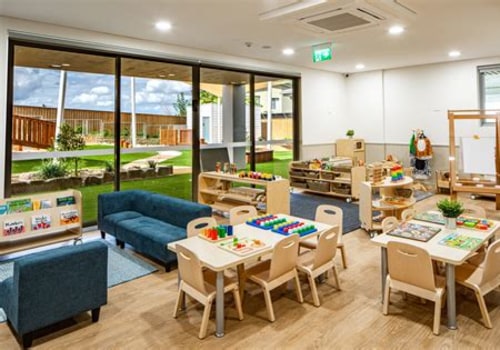
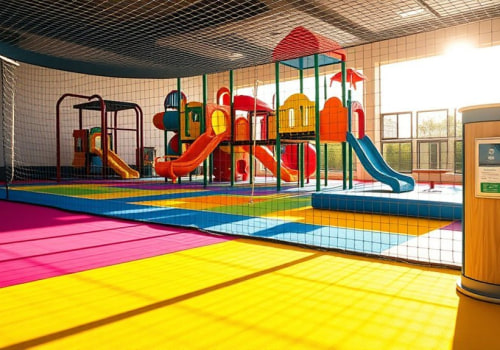
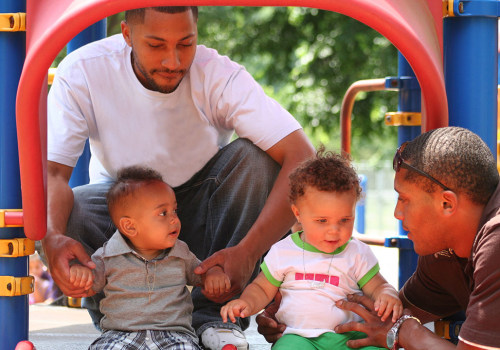
In today’s fast-paced world, kids play centres have emerged as vital spaces for children to engage in play, learn, and develop essential social skills. These centres provide a safe and stimulating environment where children can explore their creativity, interact with peers, and participate in physical activities that promote overall well-being. The importance of kids play centres cannot be overstated; they serve as a sanctuary for children to express themselves freely while fostering friendships that can last a lifetime. The benefits of play centres extend beyond mere entertainment. They play a crucial role in child development by enhancing cognitive abilities, improving motor skills, and encouraging teamwork.
As children navigate various play structures and engage in group activities, they learn valuable lessons about cooperation, sharing, and conflict resolution. Moreover, these centres often cater to different age groups, ensuring that every child finds an appropriate space to thrive. As we delve deeper into the topic of kids play centres, it is essential to consider the guidelines that govern what children can bring into these environments. Understanding these restrictions not only ensures the safety of all participants but also enhances the overall experience for everyone involved. By setting clear boundaries on personal items, play centres can maintain a clean and secure atmosphere conducive to fun and learning.
Common Restrictions in Kids Play Centres
When visiting a kids play centrekids play centre, it is essential for parents to be aware of the common restrictions regarding what children can bring.These rules are designed to ensure the safety and enjoyment of all visitors. Below are some typical restrictions you may encounter:
- Food and Drink:Food and Drink: Most kids play centres prohibit outside food and beverages. This policy helps maintain cleanliness and prevents allergies or dietary issues from arising. Many centres offer their own food options, which are often healthier and cater to children's tastes.
- Sharp Objects: Items such as scissors, knives, or any sharp objects are strictly forbidden.
These can pose a significant risk to children playing in the centre.
- Toys from Home: Bringing personal toys is generally not allowed. This rule helps prevent disputes among children and reduces the risk of losing valuable items.
- Electronic Devices:Electronic Devices: Many centres discourage or outright ban electronic devices, including tablets and mobile phones. This restriction encourages children to engage with their surroundings and interact with other kids.
- Clothing Restrictions: Some play centres may have specific dress codes, such as prohibiting open-toed shoes or clothing with sharp embellishments that could cause injury during play.
Always check the specific rules of your chosen centre before your visit, as policies may vary.
Safety Concerns Leading to Restrictions
When it comes to kids play centres, safety is paramount. These facilities are designed to provide a fun and engaging environment for children, but certain items can pose significant risks. Understanding the safety concerns that lead to restrictions on what children can bring into these centres is essential for parents.Potential Hazards
- Sharp Objects: Items like scissors, glass containers, or any sharp objects can cause injuries. Play centres often restrict these to prevent accidents.
- Food Allergens: Many play centres have policies against bringing outside food.
This is not only to maintain cleanliness but also to protect children with food allergies from potential exposure.
- Toys from Home: Personal toys can be a source of conflict among children and may also introduce choking hazards or other safety issues. Therefore, many centres discourage bringing them.
By enforcing these restrictions, play centres aim to minimise risks and ensure that all children can enjoy their time in a secure setting.In conclusion, while it may seem inconvenient for parents to adhere to these rules, they are in place for the well-being of all children. Understanding the rationale behind these restrictions helps foster a safer and more enjoyable experience at kids play centres.
Types of Prohibited Items in Kids Play Centres
When planning a visit to a kids play centre, it’s crucial for parents to be aware of the types of items that are typically prohibited. These restrictions are in place to ensure the safety and enjoyment of all children in the facility. Below is a detailed list of common prohibited items:- Food and Drinks: Most kids play centres do not allow outside food or beverages.
This policy helps maintain cleanliness and prevents potential allergies among children. Many centres offer their own food options, which are often healthier and more suitable for young children.
- Sharp Objects: Items such as scissors, knives, or any other sharp objects are strictly banned. These can pose serious safety risks in an environment where children are playing and running around.
- Electronic Devices: Mobile phones, tablets, and other electronic devices are often not permitted in play areas. This rule encourages children to engage with their surroundings and play with others rather than being distracted by screens.
- Toys from Home: Bringing toys from home can lead to disputes among children and may also result in lost or damaged items.
Most kids play centres provide ample toys and equipment for children to enjoy.
- Large Bags or Backpacks: To keep the play area safe and free from clutter, many centres restrict large bags. Parents are usually encouraged to bring only essential items in smaller bags.
Age-Specific Restrictions and Guidelines
When visiting a kids play centre, it is essential for parents to be aware of the age-specific restrictions and guidelines that may apply. These rules are designed to ensure the safety and enjoyment of all children, as different age groups have varying needs and abilities.Age Restrictions
Most kids play centres implement age restrictions to create a safe environment.Typically, these restrictions are categorised as follows:
- Under 2 years: Many centres have designated areas for toddlers, equipped with soft play equipment to prevent injuries.
- Ages 2-5: Children in this age group often have access to more interactive play structures but are usually required to be supervised by an adult.
- Ages 6 and above: Older children may have access to more challenging equipment, but some centres may restrict younger siblings from entering these areas for safety reasons.
Guidelines for Different Ages
In addition to age restrictions, kids play centres often provide specific guidelines tailored to different age groups:- Supervision: Younger children typically require constant supervision, while older children may be allowed some independence.
- Equipment Usage: Certain equipment may be off-limits for younger children due to height or weight restrictions.
- Behaviour Expectations: Centres often have rules regarding rough play or running, which may vary based on the age group using the facilities.
FAQs About Bringing Items to Kids Play Centres
When visiting a kids play centre, parents often have questions about what items their children can bring along. Here are some common queries and their answers:- Can children bring food and drinks?
Most kids play centres have strict policies regarding outside food and beverages.This is primarily for health and safety reasons, as well as to maintain cleanliness. However, many centres offer on-site cafes or snack bars where children can purchase food and drinks.
- Are toys allowed?
Generally, bringing personal toys is discouraged in kids play centres. This is to prevent disputes among children and to ensure that all play equipment is used safely. If your child has a comfort item, such as a small stuffed toy, it’s best to check with the centre's staff first. - What about electronic devices?
Most kids play centres recommend against bringing electronic devices like tablets or smartphones.These can be distracting and may lead to accidents while playing. Additionally, many centres aim to encourage physical activity and social interaction, which can be hindered by screen time.
- Are there any restrictions on clothing?
While there are no specific restrictions on clothing, it’s advisable for children to wear comfortable attire suitable for active play. Some centres may require non-slip socks or specific footwear to ensure safety on play equipment.
Tips for Parents: Preparing for a Visit to a Kids Play Centre
Visiting a kids play centre can be an exciting adventure for both children and parents.However, to ensure a smooth experience, it’s essential to prepare adequately and be aware of any restrictions that may apply. Here are some practical tips to help you get ready for your visit:
- Check the Centre's Rules: Before you go, visit the kids play centre website or call ahead to understand their specific rules regarding what items are allowed. Many centres have restrictions on food, drinks, and toys.
- Pack Essentials: Bring along necessary items such as:
- Comfortable Clothing: Ensure your child wears suitable clothing that allows for easy movement.
- Socks: Many play centres require children to wear socks for hygiene reasons.
- Water Bottle: Staying hydrated is crucial, so pack a water bottle if permitted.
- Small Backpack: A lightweight bag can help carry essentials without being cumbersome.
- Snack Considerations: If the centre allows snacks, opt for healthy options like fruit or granola bars. Always check if there are any restrictions on bringing outside food.
- Prepare for Safety: Discuss safety rules with your child before entering the play area.
Make sure they understand the importance of following instructions and being mindful of others.
- Plan Your Visit: Consider visiting during off-peak hours to avoid large crowds, making it easier for your child to enjoy the facilities without feeling overwhelmed.
Conclusion: Ensuring a Safe and Enjoyable Experience at Kids Play Centres
In conclusion, understanding the restrictions on what children can bring into a kids play centre is essential for ensuring a safe and enjoyable experience. Throughout this article, we have highlighted several key points that parents and guardians should keep in mind when planning a visit.- Safety First: Many play centres have strict rules regarding items that could pose a risk to children, such as sharp objects or food allergies. Familiarising yourself with these guidelines can prevent accidents and ensure a worry-free environment.
- Age-Appropriate Items: Some centres may restrict toys or equipment based on age suitability.
Always check the centre's policy to ensure that your child’s belongings are appropriate for the designated play areas.
- Food and Drink Policies: Most kids play centres have specific rules about bringing outside food and drinks. This is often to maintain hygiene standards and avoid allergies. It’s advisable to review these policies beforehand to avoid any inconveniences.
- Personal Items: Items like bags, coats, or electronic devices may also be subject to restrictions. Understanding these rules can help you pack efficiently and keep your child’s belongings safe.
Remember, the goal is to create a fun, safe environment where children can explore, play, and make lasting memories. Always check the specific guidelines of your chosen centre before your visit to ensure a smooth and enjoyable outing for everyone involved.