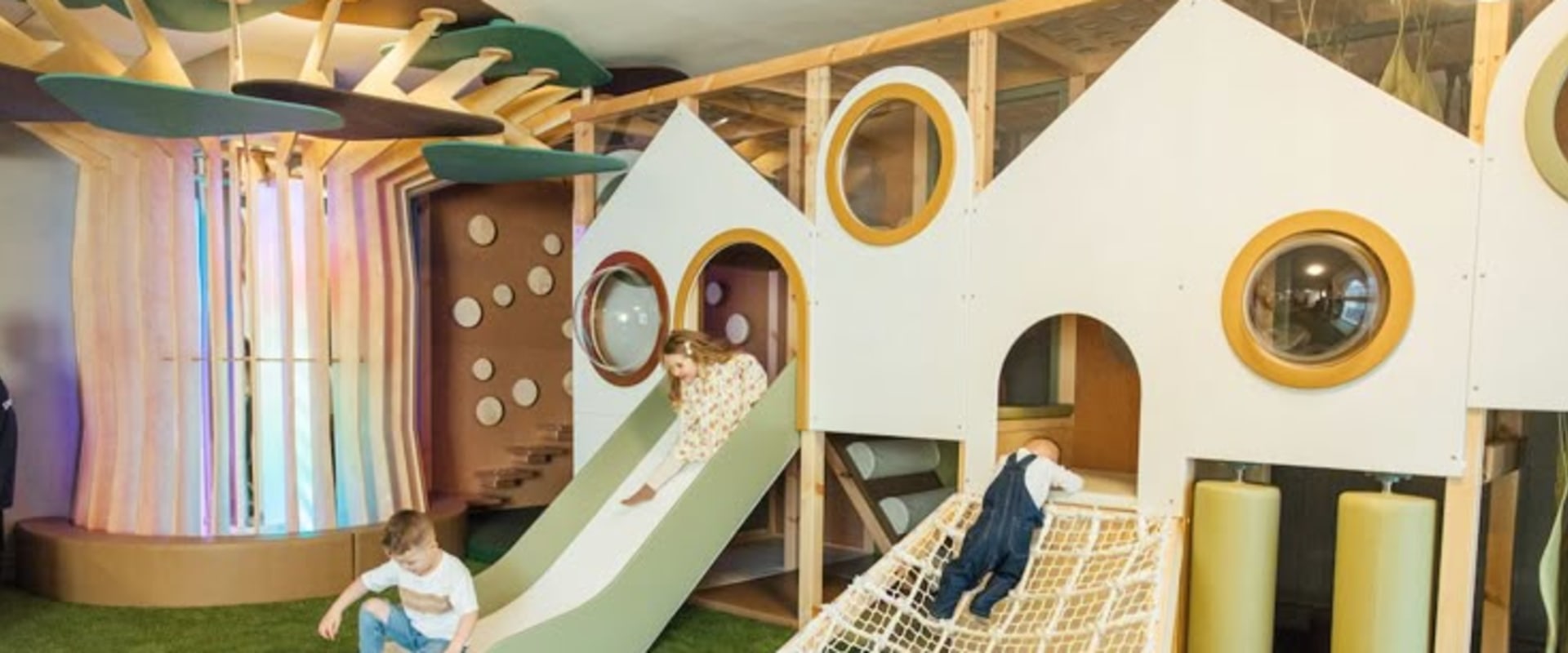
In today’s fast-paced world, kids play centreskids play centres have emerged as vibrant havens for children, offering a safe and engaging environment where they can explore, learn, and socialise. These centres are designed to cater to the diverse needs of children, providing a variety of activities that stimulate both physical and cognitive development. From climbing frames to interactive games, the features of a kids play centre are tailored to create an enjoyable experience for young ones while giving parents peace of mind. One of the standout characteristics of these facilities is their ability to foster social skills among children. As kids interact with their peers in a structured yet playful setting, they learn valuable lessons in cooperation, sharing, and communication.
Moreover, many kids play centres incorporate educational elements into their play areas, ensuring that fun and learning go hand in hand. This unique blend of entertainment and education makes them an attractive option for families looking to enrich their children's lives. As we delve deeper into the world of kids play centres, it’s essential to consider how these spaces are often organised. Many centres feature designated areas specifically tailored for different age groups, ensuring that every child can enjoy age-appropriate activities safely. This thoughtful design not only enhances the play experience but also addresses the varying developmental stages of children, making kids play centres a versatile choice for family outings.Moreover, many kids play centres incorporate educational elements into their play areas, ensuring that fun and learning go hand in hand. This unique blend of entertainment and education makes them an attractive option for families looking to enrich their children's lives. As we delve deeper into the world of kids play centres, it’s essential to consider how these spaces are often organised. Many centres feature designated areas specifically tailored for different age groups, ensuring that every child can enjoy age-appropriate activities safely. This thoughtful design not only enhances the play experience but also addresses the varying developmental stages of children, making kids play centres a versatile choice for family outings.
The Importance of Designated Play Areas
In a kids play centre, the establishment of designated play areas for different age groups is not merely a matter of convenience; it is a fundamental aspect of ensuring safety and promoting developmental growth.Each age group has unique physical, cognitive, and social needs, and tailored play zones can significantly enhance the overall experience for children.
Benefits of Age-Specific Play Zones
- Developmentally Appropriate Activities: Younger children require simpler, more manageable play equipment that aligns with their developing motor skills. In contrast, older children benefit from more challenging structures that encourage risk-taking and skill development.
- Social Interaction: Designated areas foster age-appropriate social interactions. Younger children can engage in parallel play, while older kids can participate in more complex group activities, enhancing their social skills.
- Reduced Anxiety: Parents often feel more at ease knowing their children are playing in a safe environment tailored to their age group, reducing anxiety and allowing them to enjoy the facility.
Safety in Kids Play Centres
Safety is paramount in any kids play centre. By segregating play areas by age, the risk of accidents is significantly diminished.
For instance, larger climbing structures intended for older children can pose serious hazards to toddlers who may not have the strength or coordination to navigate them safely. Furthermore, having staff trained to monitor these specific zones ensures that children are supervised appropriately according to their developmental stage.In conclusion, the importance of designated play areas in a kids play centre cannot be overstated. They not only enhance safety but also provide an enriching environment where children can thrive according to their individual needs. This thoughtful design ultimately leads to higher satisfaction for both children and parents alike.
Typical Age Group Divisions in Kids Play Centres
When visiting a kids play centre, parents often notice that these facilities are designed with specific age group divisions in mind.This thoughtful categorisation is essential for ensuring that children can play safely and engage in age-appropriate activities. Below are the typical age group divisions found in most kids play centres:
- Toddlers (1-3 years) : This area is specifically designed for the youngest children, featuring soft play equipment, sensory activities, and safe climbing structures. The focus here is on developing motor skills and social interaction in a secure environment.
- Preschoolers (3-5 years) : In this section, children can explore more challenging play structures that promote imaginative play and physical activity. Activities may include mini slides, ball pits, and interactive games that encourage creativity and teamwork.
- Older Children (6-12 years) : Designed for school-aged children, this area typically includes larger climbing frames, obstacle courses, and competitive games.
The aim is to provide a stimulating environment that challenges their physical abilities while allowing for social interaction with peers.
Features of Play Areas for Different Age Groups
When visiting a kids play centre, parents will notice that the play areas are thoughtfully designed to cater to the unique developmental needs of different age groups.Each section is equipped with features that promote safe play while encouraging physical, social, and cognitive development.
Toddler Play Areas
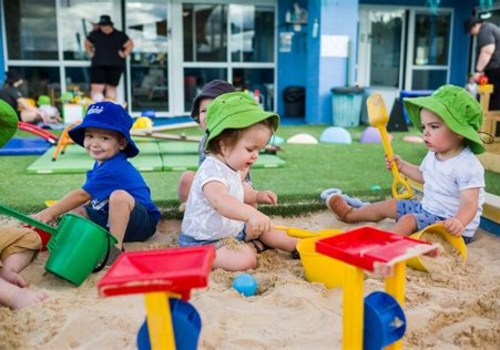
The toddler section is typically designed for children aged 1 to 3 years. This area often includes:- Soft play equipment: Foam blocks, padded slides, and gentle climbing structures ensure safety while toddlers explore their surroundings.
- Interactive toys: Sensory panels, musical instruments, and simple puzzles stimulate curiosity and fine motor skills.
- Safe zones: Enclosed spaces allow toddlers to play freely without the risk of wandering off or encountering older children.
Preschooler Play Equipment
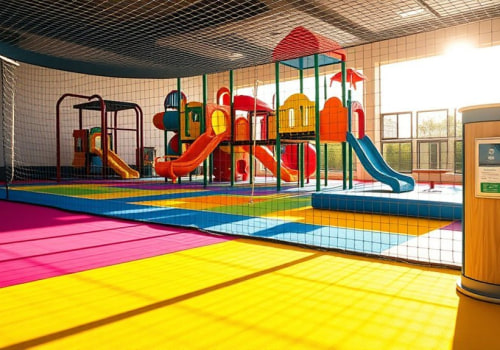
For preschoolers aged 3 to 5 years, the play equipment becomes more challenging and engaging. Key features include:- Climbing frames: These structures promote physical strength and coordination as children navigate various heights and obstacles.
- Role-play areas: Miniature shops, kitchens, or fire stations encourage imaginative play and social interaction among peers.
- Group activities: Designated spaces for games like ball pits or soft obstacle courses foster teamwork and cooperative play.
Activities for Older Children
Older children, typically aged 6 and above, require more stimulating activities. The features in this area often include:- Adventure courses: These may consist of zip lines, rope bridges, and climbing walls that challenge their physical abilities.
- Sports zones: Areas designated for basketball, soccer, or other sports encourage healthy competition and teamwork.
- Creative workshops: Spaces for arts and crafts or science experiments allow older children to express themselves creatively while learning new skills.
Safety Measures in Designated Areas
Ensuring child safety in kids play centres is paramount, particularly in designated areas tailored for different age groups.These areas are meticulously designed not only to cater to the developmental needs of children but also to implement robust safety measures that mitigate risks.One of the primary safety protocols involves the use of age-appropriate equipment. For instance, soft play structures for toddlers are constructed with rounded edges and cushioned surfaces to prevent injuries. In contrast, older children may have access to more challenging climbing frames that are still designed with safety in mind, featuring secure grips and non-slip surfaces.
- Regular Inspections: Frequent checks are conducted to ensure that all equipment is in good condition and free from hazards. This includes looking for wear and tear, loose fittings, or any potential dangers that could harm children.
- Supervision: Designated areas often have trained staff members who monitor play activities.
Their presence not only helps in managing the children but also ensures that safety rules are followed.
- Clear Signage: Safety signs are prominently displayed throughout the play centre, providing guidelines on appropriate behaviour and usage of equipment. This helps educate both children and parents about safe practices.
- Emergency Protocols: Well-defined emergency procedures are established, including first aid stations and clear evacuation routes. Staff are trained to respond swiftly in case of an incident.
For example, soft flooring materials such as foam or rubber mats are used in play areas to cushion falls and reduce injury severity.In conclusion, the combination of age-specific design, regular maintenance, active supervision, and comprehensive risk management creates a safe environment for children in kids play centres. Parents can feel confident knowing that their children can explore and enjoy these spaces while prioritising their safety.
FAQs About Kids Play Centres and Age Designations
When considering a visit to a kids play centre, many parents wonder about the presence of designated areas for different age groups. This is a common concern, and understanding how these zones work can enhance your child's play experience.Do All Kids Play Centres Have Age Zones?
While not every kids play centre has specific age zones, many do implement them to ensure safety and appropriate play experiences. These zones are typically designed to cater to various developmental stages, allowing children to engage in activities that are suitable for their age group.Most centres will have clear signage indicating the age ranges for each area, helping parents make informed decisions.
How Are Age Groups Determined in Play Centres?
Age groups in kids play centres are generally determined based on developmental milestones and safety considerations. Commonly, you will find areas designated for:- Toddlers: Usually for children aged 1-3 years, featuring soft play equipment and sensory activities.
- Preschoolers: Typically for ages 3-5 years, with more interactive and challenging structures.
- Older Kids: Generally for ages 6 and up, offering more adventurous play options like climbing walls or obstacle courses.
Can Older Kids Use Toddler Areas?
This question often arises among parents. While some kids play centres may allow older children to use toddler areas during quieter times, it is generally discouraged during peak hours. The primary reason is safety; older kids may unintentionally overwhelm younger ones with their size and energy.It’s best to check with the specific centre’s policies regarding this matter to ensure a safe environment for all children.In summary, understanding the age designations in kids play centres can help parents choose the right environment for their children, ensuring they have a fun and safe experience while playing.
Conclusion: The Value of Age-Specific Play Areas in Kids Play Centres
In conclusion, the presence of designated areas for different age groups within kids play centres is not merely a convenience; it is a fundamental aspect that enhances both safety and enjoyment for children. By creating specific zones tailored to various developmental stages, these centres ensure that children can engage in play that is appropriate for their age and abilities.Throughout this article, we have explored several key benefits of having age-specific play areas:- Safety: Younger children are often more vulnerable to injuries when playing alongside older kids. Designated areas help mitigate this risk by separating them based on size and skill level.
- Developmental Appropriateness: Each age group has unique developmental needs. Play areas designed for toddlers focus on sensory exploration, while those for older children may include more complex structures that challenge their physical abilities.
- Social Interaction: Age-specific zones encourage children to interact with peers at similar developmental stages, fostering social skills and friendships in a comfortable environment.
- Parental Peace of Mind: Parents can relax knowing their children are playing in a safe space tailored to their age group, allowing them to enjoy the experience without constant worry.
It allows them to explore, learn, and grow in a safe environment while enjoying the freedom of play. As such, when choosing a play centre, parents should prioritise those that offer clearly defined spaces for different age groups, ensuring their children can thrive during their playtime.