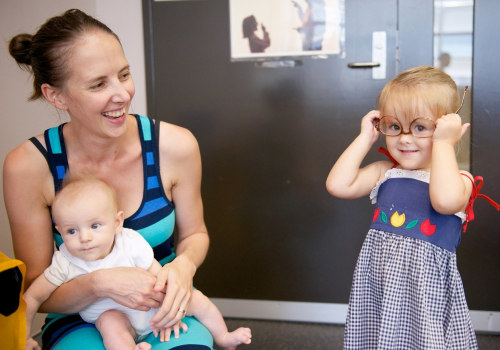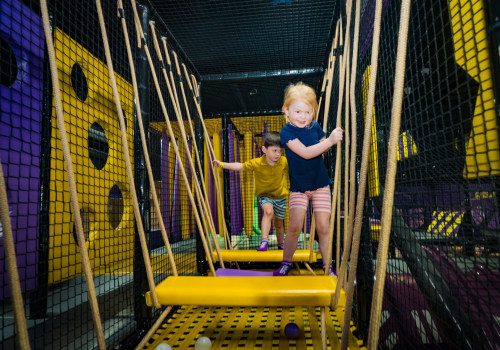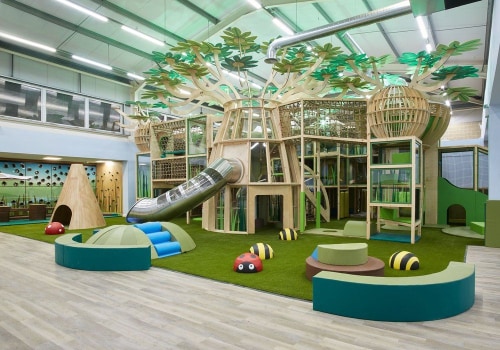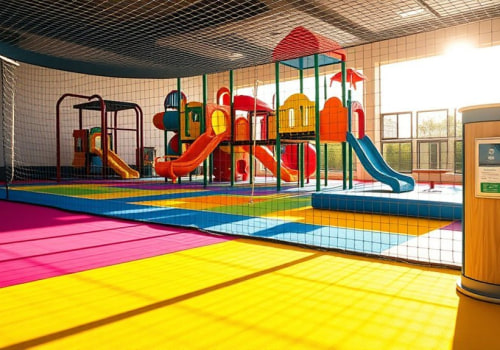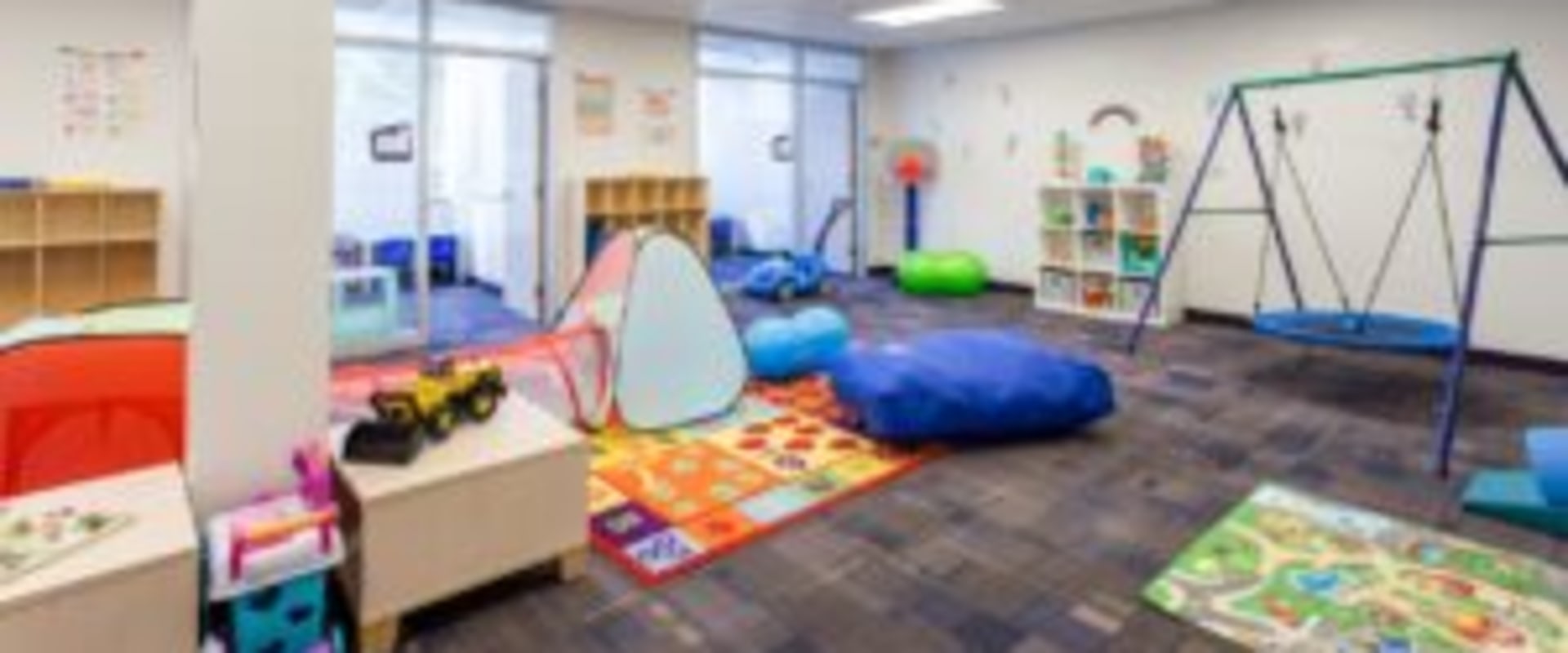
A kids play centre is a specially designed environment where children can engage in various play activities, fostering both physical and social development. These centres are typically equipped with a range of facilities, including climbing frames, ball pits, and interactive games, all aimed at providing a safe and stimulating atmosphere for children to explore. The primary purpose of a kids play centre is to offer a space where children can unleash their creativity, develop motor skills, and build friendships through play. For parents, the benefits of kids play centres extend beyond mere entertainment. These venues provide an opportunity for children to interact with peers in a supervised setting, allowing parents to relax while knowing their little ones are safe and engaged.
Additionally, many centres offer structured activities and events that promote teamwork and cooperation among children, further enhancing their social skills. The vibrant and energetic environment of a kids play centre not only keeps children physically active but also encourages imaginative play, which is crucial for cognitive development. As we delve deeper into the topic of behaviour at kids play centres, it’s essential to understand the significance of these spaces in a child's growth. By establishing clear guidelines for behaviour, we can ensure that every child enjoys their time while respecting the needs and safety of others. This understanding sets the foundation for creating a positive experience for all visitors.
General Behaviour Expectations
When visiting a kids play centre, it is essential to adhere to certain behaviour expectations to ensure a safe and enjoyable experience for everyone.These guidelines not only promote respect among children but also foster a positive environment for parents and guardians.
- Respect for Others: Children should be taught to respect their peers, staff, and the facilities. This includes sharing equipment, taking turns, and using polite language.
- Safety First: Safety is paramount in any kids play centre. Parents should ensure that their children understand the importance of following safety rules, such as not climbing on inappropriate structures and using equipment as intended.
- Supervision: Parents and guardians are responsible for supervising their children at all times. This not only helps prevent accidents but also encourages positive interactions among kids.
- No Rough Play: While play is meant to be fun, roughhousing can lead to injuries.
It’s important to discourage any aggressive behaviour, such as pushing or hitting.
- Cleanliness: Maintaining cleanliness is vital in a kids play centre. Encourage children to clean up after themselves and dispose of litter properly to keep the environment pleasant for all.
Safety Guidelines for Kids and Parents
Ensuring a safe environment in a kids play centre is paramount for both children and parents.Adhering to specific safety guidelines can significantly reduce the risk of accidents and injuries.
Supervision is Key
- Parents and guardians should always supervise their children while they are playing. This means keeping a close eye on them, especially in areas with climbing structures or slides.
- It is advisable to stay within arm's reach of younger children to quickly assist them if needed.
Equipment Usage
- Before allowing children to use any equipment, parents should ensure that it is age-appropriate. Many kids play centres have designated areas for different age groups.
- Children should be taught to use equipment properly, such as waiting their turn on slides and not pushing others while playing.
Health and Hygiene
- Encourage children to wash their hands before and after playing, especially after using the restroom or eating.
- If a child is unwell, it is best to keep them at home to prevent spreading illness to others.
Emergency Procedures
- Familiarise yourself with the emergency procedures of the kids play centre. Know where the first aid kits are located and how to contact staff in case of an emergency.
- Instruct children on what to do if they feel unsafe or if they get lost within the play area.
Remember, a safe play environment not only protects children but also allows them to explore and enjoy their time freely.
Age-Specific Behaviour Guidelines
When visiting a kids play centre, understanding the age-specific behaviour guidelines is crucial for ensuring a safe and enjoyable experience for all children. Different age groups have varying levels of development, which influences their behaviour and interaction with others.Toddlers (1-3 years)
Toddlers are naturally curious and often explore their surroundings through play. At this age, it’s important to:- Supervise closely: Always keep an eye on toddlers as they may not yet understand the concept of sharing or taking turns.
- Encourage gentle play: Teach them to use soft toys and avoid roughhousing, as they are still developing coordination.
- Set boundaries: Explain which areas are safe for them to explore and which are off-limits.
Preschoolers (4-5 years)
Preschoolers are beginning to develop social skills and can engage in more complex play. Guidelines for this age group include:- Promote sharing: Encourage them to share toys and take turns, helping them learn important social skills.
- Teach respect for others: Instil the importance of being kind and considerate towards peers, especially when conflicts arise.
- Encourage imaginative play: Allow them to engage in role-playing games, which can enhance creativity and cooperation.
Older Children (6 years and up)
Older children often have a better understanding of rules and social dynamics.Behaviour expectations should focus on:
- Fostering independence: Allow them to navigate the play centre with minimal supervision while ensuring they know how to ask for help if needed.
- Encouraging teamwork: Promote group activities that require collaboration, helping them develop leadership skills.
- Setting clear rules: Make sure they understand the importance of following the centre's rules, such as respecting equipment and other children’s space.
Conflict Resolution Strategies
When children are engaged in play at a kids play centre, conflicts can occasionally arise. These disputes, whether over toys, space, or attention, are a natural part of social development. However, it’s essential for parents and caregivers to have effective conflict resolution strategiesconflict resolution strategies in place to help children navigate these situations.Understanding the Conflict
- Encourage children to express their feelings. Ask them to describe what happened and how they feel about it.
- Listen actively to both sides of the story.
This helps children feel heard and valued.
Mediation Techniques for Parents
- Stay Calm: As a parent, your reaction sets the tone. Approach the situation calmly to model appropriate behaviour.
- Facilitate Communication: Help children articulate their feelings and needs. Use phrases like "I see you’re upset because..." to guide them.
- Encourage Problem-Solving: Ask the children how they think the issue can be resolved. This empowers them and fosters critical thinking.
Promoting Positive Interactions
- Teach sharing and turn-taking as fundamental skills.
Role-playing these scenarios can prepare children for real-life situations.
- Recognise and praise positive interactions among children. Reinforcement of good behaviour encourages them to repeat it.
FAQs About Behaviour at Kids Play Centres
When visiting a kids play centre, parents and guardians often have questions regarding the expected behaviour of children and the rules in place to ensure a safe and enjoyable experience for everyone. Here are some frequently asked questions that can help clarify these concerns:- What are the general rules for behaviour at a kids play centre?
Most kids play centres have a set of rules designed to promote safety and fun.Common rules include:
- No running or pushing in play areas.
- Respect other children and their space.
- Follow the age restrictions for specific play equipment.
- No food or drink in certain areas to maintain cleanliness.
- How should I handle my child's behaviour if they are being disruptive?
If your child is being disruptive, it’s important to address the behaviour calmly. You can:- Talk to them about why their behaviour is inappropriate.
- Encourage them to take turns and share with others.
- If necessary, take a short break outside the play area to help them calm down.
- Are there staff members available to assist with behaviour issues?Are there staff members available to assist with behaviour issues?
Yes, most kids play centres employ staff who are trained to manage behaviour and ensure safety. If you notice any concerning behaviour, don’t hesitate to approach a staff member for assistance. - What should I do if my child is bullied or feels unsafe?
If your child experiences bullying or feels unsafe, it’s crucial to:- Encourage them to speak up about their feelings.
- Report the incident to a staff member immediately.
- Discuss the situation with your child afterwards to help them process their emotions.
Conclusion: Promoting Positive Experiences at Kids Play Centres
In conclusion, ensuring a positive experience at a kids play centre hinges on the adherence to established behaviour guidelines.These rules are not merely suggestions; they are essential for fostering a safe and enjoyable environment for all children and their guardians.Throughout this article, we have highlighted several key points that contribute to a harmonious atmosphere:
- Respect for Others: Encouraging children to respect their peers promotes kindness and reduces conflicts.
- Supervision: Active adult supervision is crucial in maintaining safety and addressing any issues that may arise promptly.
- Following Rules: Each kids play centre has specific rules designed to protect children; adherence to these rules is vital.
- Encouraging Sharing: Teaching children the importance of sharing toys and space helps cultivate social skills.
- Promoting Cleanliness: Instilling habits of cleanliness ensures a hygienic environment for everyone.